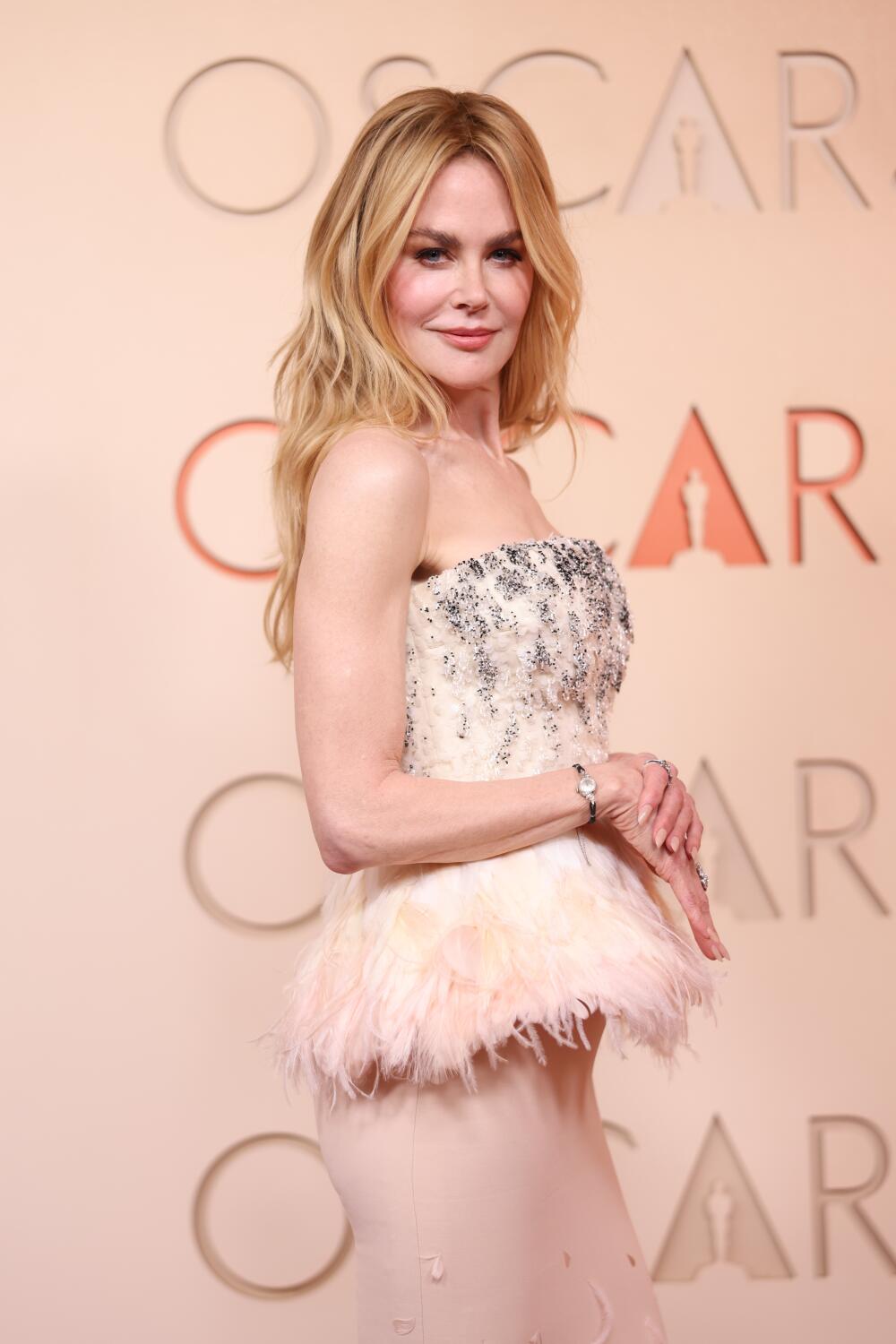
The awards season calendar is a grueling marathon disguised as a party. For stars like Teyana Taylor, the red carpet is not a hobby or a simple photo opportunity; it is a high-stakes corporate negotiation where the currency is visibility and the cost is physical and mental exhaustion. While the public sees a thirty-second stroll in a gown that costs more than a mid-sized sedan, the reality is a months-long logistical nightmare involving iron-clad contracts, brutal fitness regimes, and a level of tactical planning usually reserved for military maneuvers.
The survival of a brand depends on these moments. If a stylist misses a stitch or a publicist fails to secure the right slot in the arrivals line, the financial fallout can be measured in lost endorsement deals and plummeting social media engagement. This is the industrial complex of glamour, a machine that demands perfection while operating in a state of perpetual chaos.
The Architecture of the Controlled Image
Behind every "impromptu" viral moment is a blueprint. The modern red carpet is no longer about personal style; it is about architectural engineering. When Teyana Taylor speaks about "plotting," she isn't just talking about picking out a dress. She is talking about the strategic alignment of her personal brand with luxury fashion houses that view celebrities as walking billboards.
These partnerships are rarely organic. A stylist acts as a broker, navigating the egos of creative directors and the demands of talent agents. The goal is to create a "look" that translates across low-resolution phone screens and high-definition broadcast cameras simultaneously. To achieve this, stars often endure hours of being sewn into garments that restrict breathing and movement. The physical toll is significant. Dehydration is a common tactic used to minimize bloating, and stars frequently report wearing shoes two sizes too small to prevent blisters during the long wait behind the velvet ropes.
The Hidden Logistics of the Arrival
The chaos begins long before the flashbulbs pop. The "car-to-carpet" transition is a choreographed sequence that can be ruined by a single traffic jam. High-tier celebrities are assigned specific arrival windows to ensure they don't overlap with rivals or "lesser" talent that might dilute their impact.
- The Sprinter Van Strategy: Many stars now opt for customized vans where they can stand upright during the commute. This prevents the dress from wrinkling—a minor flaw that can lead to a week of ridicule on fashion blogs.
- The Security Buffer: It isn't just about protection. Security teams are trained to block "bad angles" from rogue photographers and manage the flow of the "step and repeat" to ensure the star has clear air for their solo shots.
- The Touch-Up Squad: A hidden army of assistants waits just out of frame with blotting papers, hairspray, and double-sided tape. They have roughly five seconds between the car door opening and the first camera click to ensure everything is in place.
The Psychological Toll of the Perennial Pivot
Maintaining a public persona while navigating a crowded room of peers and competitors requires a specific type of mental fortitude. You are always being watched. Every interaction is recorded, dissected, and meme-ified within seconds.
The pressure to be "on" leads to a phenomenon industry insiders call "Awards Season Burnout." It is a state of hyper-vigilance where the celebrity must manage their own image while simultaneously reacting to the energy of the crowd. Teyana Taylor’s approach—treating it as a series of calculated moves—is a defense mechanism. By turning the chaos into a game of strategy, the individual regains a sense of agency in an environment designed to strip it away.
There is a dark side to this constant plotting. When every gesture is a brand decision, the line between the person and the product blurs. This leads to a profound sense of isolation. Even in a room full of the most famous people on earth, many stars report feeling utterly alone, trapped inside a costume and a narrative they didn't entirely write themselves.
The Economics of the Borrowed Wardrobe
The clothes are almost never owned by the person wearing them. The "loaner" system is a complex web of liability and marketing. A dress from a major house like Chanel or Gucci comes with its own security detail and a set of strict rules.
- Exclusivity Clauses: If you wear a certain designer to the Oscars, you may be contractually barred from wearing a competitor to the after-parties.
- The Tailoring Trap: Most couture pieces are designed for runway models. The average celebrity must undergo intense physical preparation to fit into "sample size" garments, fueling a toxic cycle of rapid weight loss followed by post-season exhaustion.
- The Return Policy: Pieces must be returned in pristine condition. A single champagne stain or a snag from a sequin can result in a massive bill or the blacklisting of a stylist.
This system creates a hierarchy of access. Rising stars often have to pay for their own alterations and shipping, which can cost thousands of dollars, just for the hope of being noticed. Meanwhile, established icons are paid six-figure sums simply to show up in a specific brand's jewelry. It is a rigged game where the rich get paid to look wealthy, and the newcomers go into debt to look successful.
The Death of the Authentic Moment
Because the stakes are so high, spontaneity has been sacrificed at the altar of the "clean" image. The "chaos" people like Taylor describe is actually the struggle to maintain a facade of ease while under immense structural pressure. The industry has become so risk-averse that truly daring fashion or unscripted behavior is increasingly rare.
Social media has exacerbated this. In the past, a wardrobe malfunction was a tabloid headline for a day. Now, it is a permanent digital scar. To prevent this, teams employ "red carpet handlers" whose entire job is to watch for stray threads or awkward shadows. The result is a homogenized aesthetic where everyone looks expensive, but few look like themselves.
Survival is a Team Sport
No one survives this cycle alone. The "village" required to get one person through a three-hour ceremony includes tailors, publicists, bodyguards, drivers, and often a "spiritual advisor" or life coach to manage the inevitable anxiety attacks.
The most successful survivors are those who treat the season like a corporate merger. They understand that the red carpet is the office. They show up, they execute the plan, and they retreat to their private lives as quickly as possible. Those who mistake the adulation of the carpet for reality are usually the ones who struggle the most when the lights go down and the borrowed diamonds are returned to the vault.
The "chaos" isn't a bug in the system; it is a feature. It creates the friction necessary to generate headlines and keep the public interested. For the stars, the goal isn't just to look good—it's to make it to the end of the night with their reputation, their sanity, and their future contracts intact.
Ask your stylist about the "standing-only" clause in your next contract before you commit to that vintage gown.