A textile merchant in Ahmedabad wakes up at 4:00 AM. His name is Rajesh. He is a hypothetical man, but his anxiety is a very real, documented economic phenomenon. For years, Rajesh has looked at the rolls of high-grade organic cotton in his warehouse and seen potential held hostage by a percentage point. A 10% tariff here, a 15% duty there. These are not just numbers on a spreadsheet in New Delhi; they are the reasons he cannot hire his neighbor’s son, the reason he hasn't upgraded his looms in a decade, and the reason his product costs more in London than a comparable roll from a competitor in Vietnam.
Now, the air is shifting.
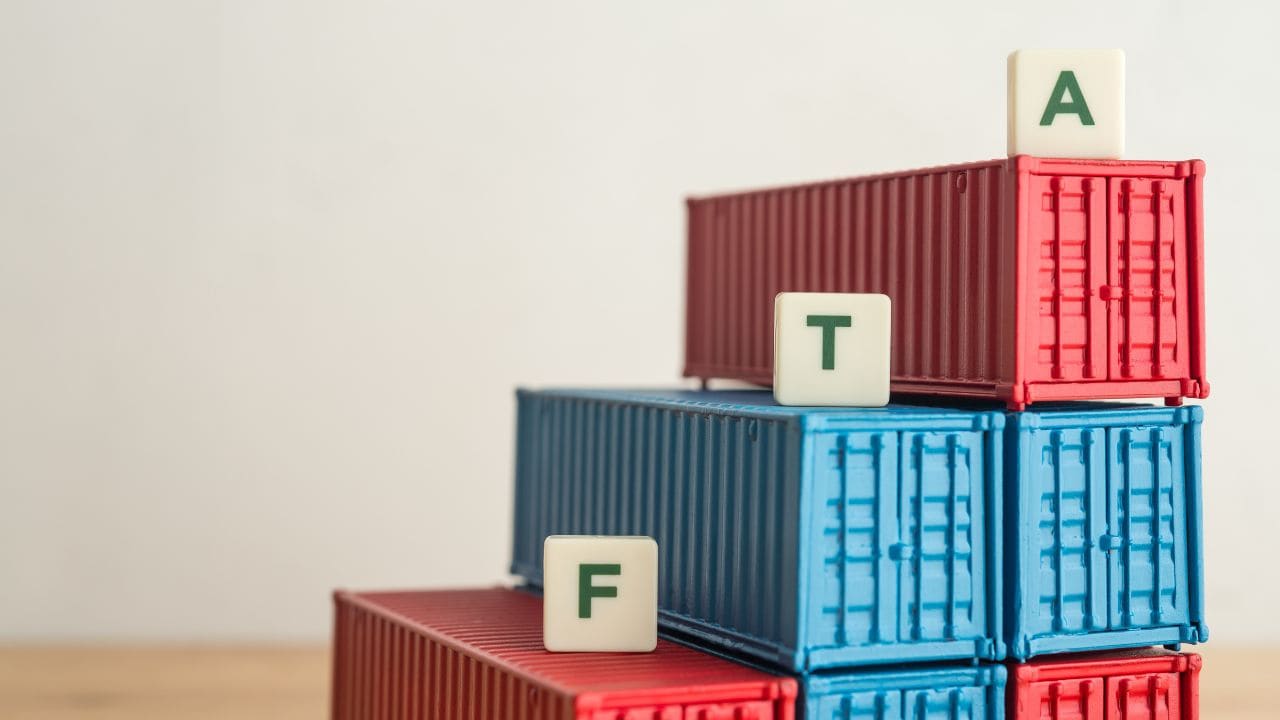
By June 2026, the diplomatic machinery of India, the United Kingdom, and Oman will finish a decade-long marathon. The Free Trade Agreements (FTAs) currently sitting on mahogany desks in London, Muscat, and Delhi are about to transition from ink to impact. This isn't just about "bilateral trade volume." It is about a fundamental rewiring of how goods move across the Indian Ocean and the North Sea.
The Ghost of the British High Street
Walking down a rainy street in Manchester, you might see the skeletal remains of the old textile industry. It’s a city built on cotton, much like Ahmedabad. For the UK, an FTA with India is a play for relevance in a post-Brexit world. They want to sell Scotch whisky without the staggering 150% tariff that currently guards the Indian market like a fire-breathing dragon. They want to sell cars and high-end services.
But for the Indian exporter, the UK represents a doorway that has been jammed shut by bureaucracy for too long. When the deal goes live before the summer of 2026, the goal is to slash duties on over 90% of Indian exports. We are talking about leather goods, jewelry, and those cotton rolls in Rajesh’s warehouse.
Consider the mathematics of a shirt. If it costs $20 to produce and ship, but carries a $2 import duty, it struggles to compete with a duty-free shirt from a nation with a pre-existing trade deal. Remove that $2. Suddenly, the Indian garment isn't just "good"—it’s "unstoppable." This is the invisible gravity of trade. It pulls industries toward whichever shore offers the least resistance.
The Omani Gateway
While the UK deal captures the headlines because of the historical weight of the relationship, the Comprehensive Economic Partnership Agreement (CEPA) with Oman is perhaps more strategically intimate.
Oman is not just a desert nation with oil; it is a gateway. It sits at the mouth of the Persian Gulf, a sentinel watching the world’s energy lanes. India’s trade with Oman is already significant, but the new agreement aims to eliminate duties on nearly $3 billion worth of Indian exports.
If you are an Indian engineer working in a chemical plant, or a farmer growing Basmati rice in Punjab, Oman is your bridge to the entire Middle East. The logic is simple: Oman needs food security and diversified infrastructure; India needs energy and a platform for its burgeoning manufacturing sector. By removing the friction at the border, the two nations are essentially merging their economic interests into a single, fluid stream.
The Clock is Ticking
Why June 2026?
Economic cycles do not wait for laggards. The world is currently fracturing into trade blocs. If India does not solidify these corridors now, the supply chains of the next thirty years will harden around other nations. The Indian government is moving with a rare, frantic precision. They have realized that "Made in India" is a hollow slogan unless "Sold in London" and "Bought in Muscat" are made effortless.
The negotiations have been grueling. They are held in windowless rooms where people argue for twelve hours over the definition of a "refined petroleum product" or the "intellectual property rights of a specific software algorithm." It is exhausting, unglamorous work. Yet, these negotiators are the architects of the world Rajesh lives in.
There are sticking points, of course. The UK wants more access to India’s legal and accounting sectors. India wants easier visas for its highly skilled professionals. These are the human chips on the poker table. A trade deal is never just about objects; it is about the movement of people. It is about a data analyst from Bangalore being able to work a contract in Birmingham without a year of paperwork.
The Weight of the Invisible Stakes
We often treat trade deals as abstract geopolitical chess. We shouldn't.
When these deals come into force, the cost of a bottle of Glenfiddich in a Delhi hotel might drop. The price of a precision-engineered pump for an Omani oil rig might fall. But the real story is the ripple effect.
Lower tariffs mean higher volumes. Higher volumes mean more shifts at the factory. More shifts mean a father can afford the tuition for his daughter’s engineering degree. She, in turn, might grow up to design the very software that the UK wants to import under the new FTA protections. This is the "virtuous cycle." It is the engine of the middle class, fueled by the removal of a few lines of tax code.
The skepticism is real. Critics argue that FTAs can hollow out local industries that aren't ready to compete with global giants. There is a fear that the "big fish" will eat the "small fish." It is a valid concern. The protectionist instinct is a defensive crouch, intended to shield the vulnerable. But a nation cannot grow while crouching.
The Transformation of the Warehouse
Back in Ahmedabad, Rajesh doesn't care about the nuances of "Rules of Origin" or "SPS measures." He cares about the email he received from a boutique owner in London asking for a quote.
Under the old rules, his quote was too high. He lost the contract to a factory in a country that had already signed its paperwork. He felt the sting of being left behind, not because his work wasn't superior, but because his government and the UK hadn't finished their dance.
The 2026 deadline represents the end of that waiting game. It is the moment the music stops and the actual work begins. For the UK, it is a chance to prove there is life after the European Union. For Oman, it is a step toward a post-oil future built on logistics and partnership. For India, it is an assertion of its status as the world’s new economic center of gravity.
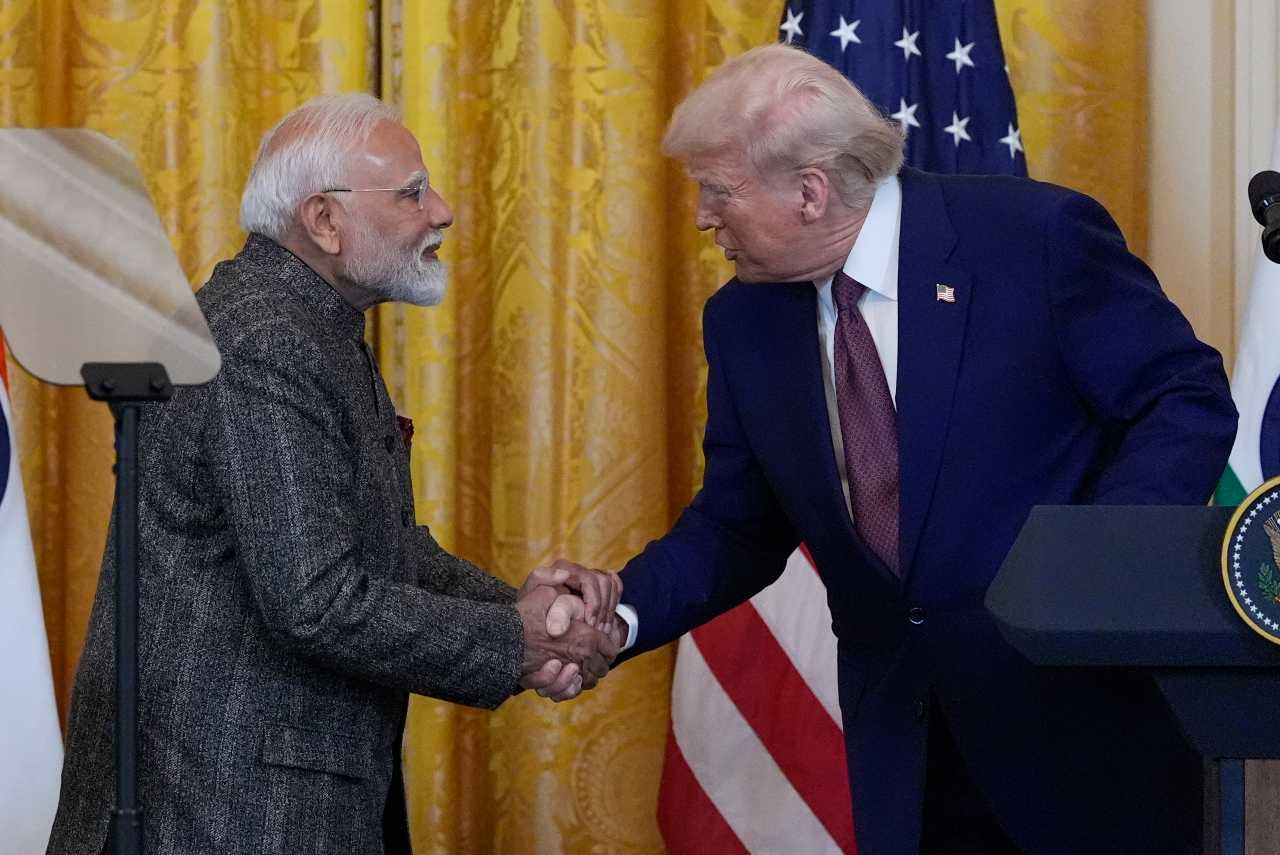
The documents are being finalized. The legal scrubbing—a tedious process of checking every comma and semicolon—is underway. These thousands of pages will eventually be reduced to a single moment: a handshake between leaders in front of a phalanx of cameras.
But the true handshake happens a few months later. It happens when a crate of textiles leaves a port in Gujarat, bound for the docks of Tilbury, crossing the Arabian Sea and bypassing the old barriers of history and bureaucracy.
The ship moves through the water, oblivious to the years of shouting in negotiation rooms. It carries more than just fabric. It carries the weight of a million hypothetical men like Rajesh, finally allowed to compete on a level floor. The invisible walls are coming down, and for the first time in a long time, the horizon looks wide open.