A massive Boeing 777-300ER weighs over 300,000 pounds when it’s empty. When that much metal moves, even at a walking pace, it doesn’t stop on a dime. You’ve probably seen the footage by now. An Air Canada jet is being towed at Toronto Pearson International Airport when it slices right through the top of a catering truck. The audio is what sticks with you. You hear a ground worker screaming "Stop, stop, stop!" into their radio with a level of desperation that tells you they knew exactly what was about to happen.
It’s a nightmare scenario for any ground crew. This wasn't a high-speed mid-air collision or a mechanical failure at 30,000 feet. It was a breakdown in basic communication and spatial awareness on the tarmac. This kind of incident, often called a "ground strike" or "ramp rash" in the industry, happens way more often than airlines want to admit. While the internet treats it like a "fail" video, it’s actually a window into the high-pressure, often chaotic world of airport ground operations.
Why Ground Collisions Keep Happening
Modern airports are incredibly cramped. If you look at the gate layout of a major hub like Toronto Pearson or London Heathrow, the margins for error are razor-thin. We're talking about a few feet of clearance between a wingtip and a service vehicle. When you're towing a plane as large as a 777, the pilot isn't in control. The tug driver is.
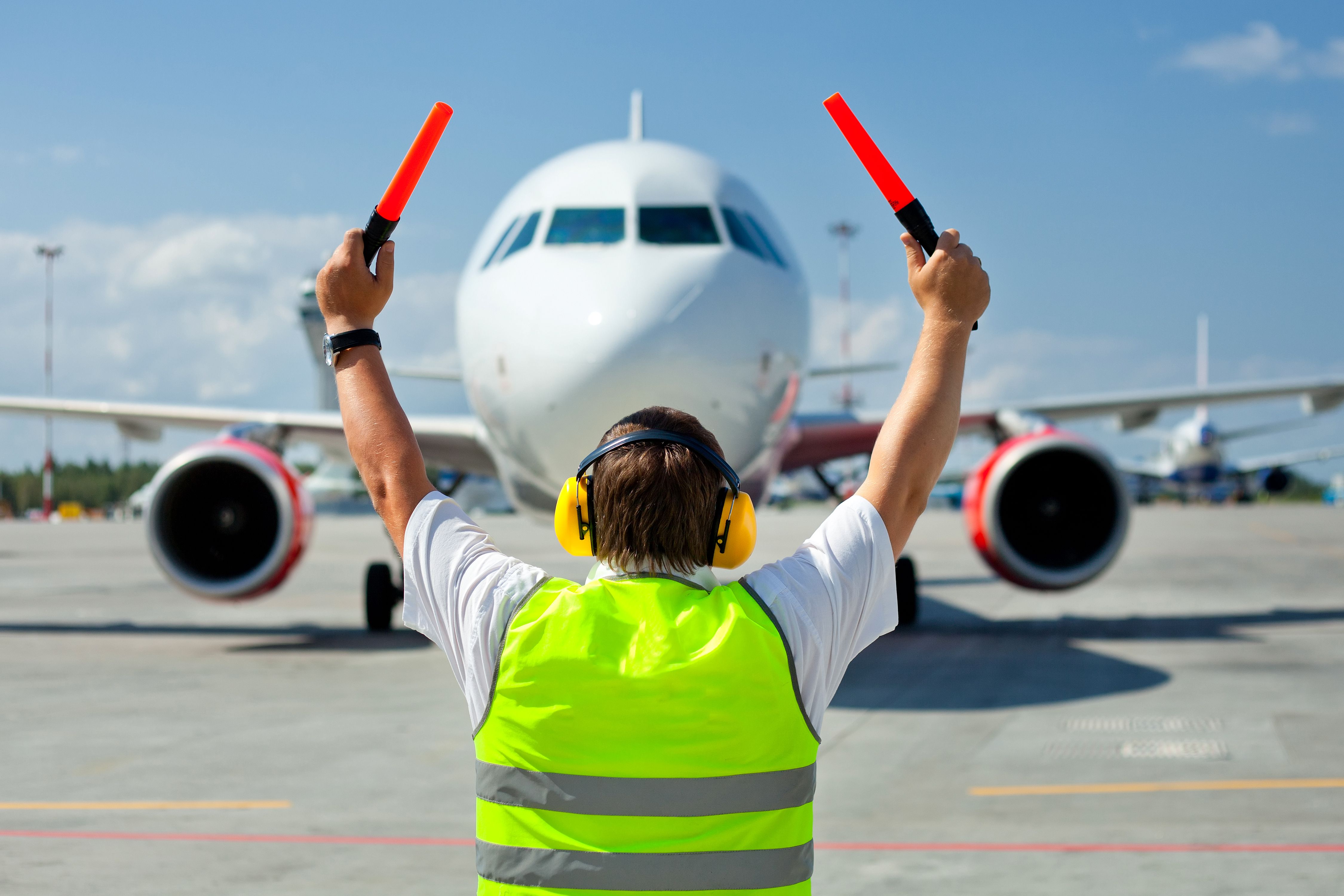
The tug driver has a limited field of vision. They rely almost entirely on wing walkers—crew members positioned at the edges of the aircraft—to signal if the path is clear. In the Air Canada incident, the communication loop failed. Whether it was radio interference, a blind spot, or a vehicle parked where it shouldn't have been, the result was a multi-million dollar repair bill and a terrifying moment for the driver inside that truck.
Most people think the biggest risks in aviation are in the clouds. They’re wrong. The most dangerous place for an airplane is actually on the ground. Statistics from the International Air Transport Association (IATA) suggest that ground damage costs the industry billions of dollars annually. It’s a systemic issue fueled by tight turnaround times and high staff turnover in ground handling roles.
The Physics of a Wing Strike
When an airplane wing hits something, it isn't like a car bumper tapping a pole. Aviation grade aluminum and composite materials are designed to be light and strong under aerodynamic pressure, but they aren't meant to take lateral impacts from heavy machinery.
The Air Canada 777 wing didn't just dent the truck. It tore through it. This happens because of the sheer mass of the aircraft. Even at three miles per hour, the momentum is unstoppable. If a wingwalker sees an obstruction and shouts for a stop, there is a lag time between the command, the tug driver hitting the brakes, and the aircraft actually coming to a halt. In this specific case, that lag time was the difference between a close call and a structural disaster.
Beyond the visible damage to the truck, the aircraft itself faces serious scrutiny. A strike like this can cause internal structural damage to the wing spars or fuel tanks that isn't visible to the naked eye. The plane has to be pulled from service immediately for x-ray testing and ultrasonic inspections. This triggers a massive ripple effect: cancelled flights, stranded passengers, and a logistical headache that lasts for weeks.
Who Is Really at Fault
It’s easy to blame the person screaming "stop" too late, but the root cause usually goes deeper. Airlines have been pushing for faster "turns"—the time it takes to deplane, clean, refuel, and reload an aircraft. When you squeeze the schedule, people start taking shortcuts.
Ground crews are often working in extreme weather, under deafening engine noise, and around moving machinery that can kill you in a second. If a catering truck is parked slightly outside its designated safety box, or if a tug driver is trying to make up for a five-minute delay, the Swiss cheese model of accident theory starts to align. Every layer of safety failed at once.
We also have to talk about training. Since the global travel rebound, the industry has struggled to keep experienced ground staff. You have a lot of new hires who haven't spent years developing the "sixth sense" for aircraft clearances. They’re following a checklist, but they don't yet have the instinct to spot a hazard before it becomes a collision.
The True Cost of Ramp Accidents
The price tag for the Air Canada incident goes way beyond a new roof for a catering truck. You have to consider:
- The loss of revenue while a flagship wide-body jet is grounded.
- The cost of specialized technicians flown in to certify the wing’s integrity.
- Increased insurance premiums for the ground handling company.
- Potential fines from aviation regulatory bodies like Transport Canada.
In many cases, a single "minor" ground clip can cost an airline upwards of $500,000 when all the indirect costs are tallied. For a major wing strike involving structural repair, you’re looking at millions. It's one of the most avoidable drains on an airline's bottom line.
Fixing the Communication Gap
The "Stop, stop, stop" audio highlights a major flaw in how we handle ground movement. We are still relying on human voices over noisy radios. Some airports are starting to implement sensor-based systems—basically high-end versions of the backup cameras on your car—on tugs and wingtips. These systems use LiDAR to map out the environment in real-time and provide an audible warning to the tug driver if a collision is imminent.
However, technology isn't a silver bullet. The culture of the ramp needs to change. There has to be a "stop work" authority where any crew member, regardless of seniority, can halt a maneuver without fear of being penalized for a delay. Until safety truly outranks the schedule, we're going to keep seeing these videos on our social feeds.
If you're a passenger, the best thing you can do is stay alert during taxiing. If you ever see something outside your window that looks too close for comfort, don't be afraid to tell a flight attendant. They’d much rather have a "false alarm" than a wing through a truck. For the industry, the next step is clear: invest in better ground-tracking telemetry and stop treating the ramp like a race track. Check the tail numbers next time you fly; you'll be surprised how many planes are flying around with "scars" from the ground crew.