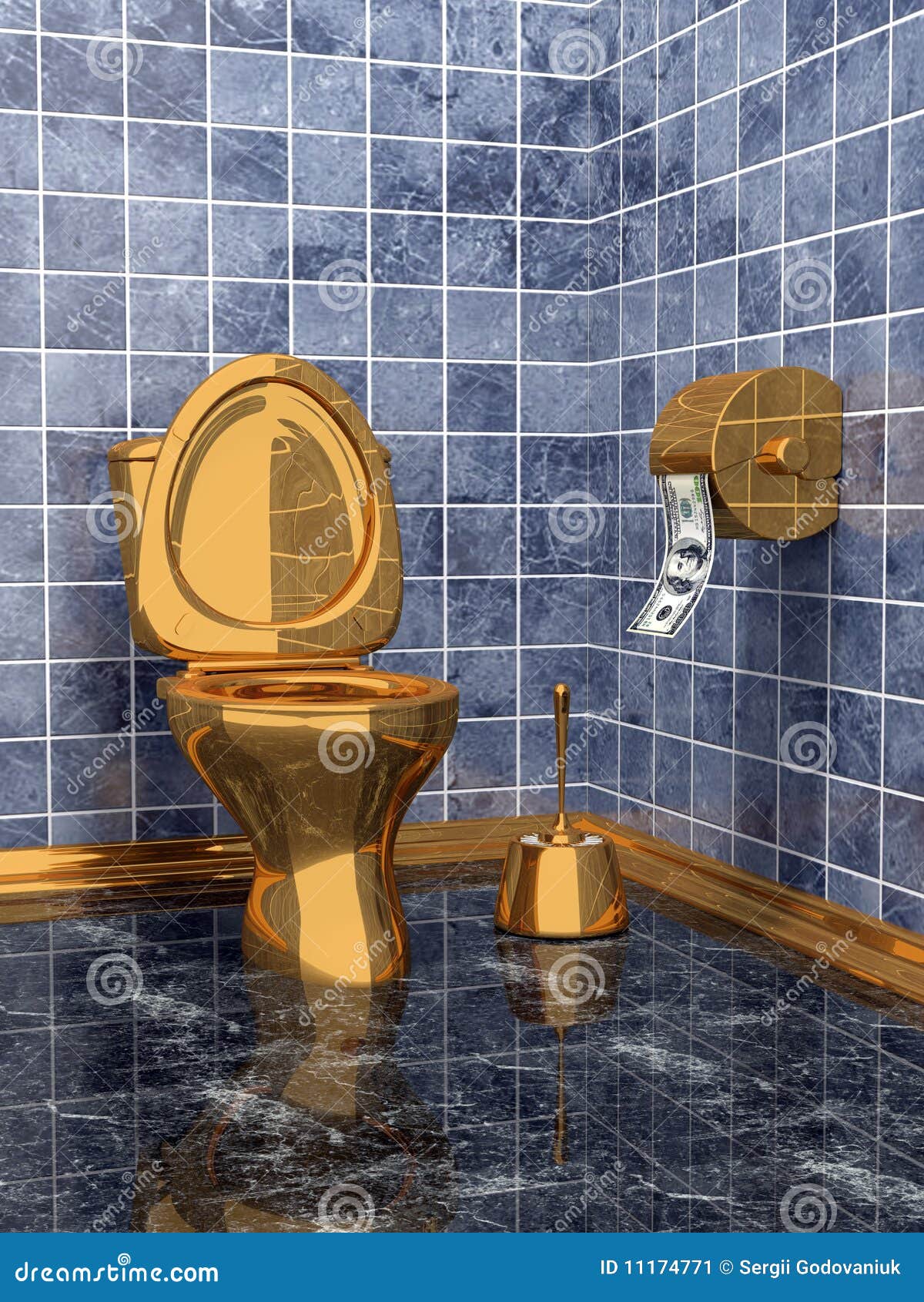
A golden toilet sitting on the sidewalk in Washington D.C. sounds like a fever dream or a discarded prop from a 1990s music video. It wasn't. This gilded commode actually appeared near the White House, and it wasn't there for the comfort of tourists. It was a loud, shiny, and incredibly blunt piece of political performance art aimed directly at the executive branch.
When you see a literal throne on the street, you don't just walk past it. You stop. You stare. You probably take a selfie. That’s exactly what the organizers wanted. This wasn't just about plumbing. It was a critique of excess, specifically targeting the high-priced renovations and the perceived "king-like" behavior of the administration. While the news often gets bogged down in policy papers and dry legislative jargon, sometimes a shiny toilet says more than a thousand-page report ever could.
Why the Golden Toilet Struck a Nerve
Most people don't care about interior design in government buildings until they see the price tag. When reports surfaced about extensive renovations at the White House, including expensive wallpaper and structural shifts, the public reaction was split. One side saw it as necessary upkeep for a historic landmark. The other saw it as a symbol of an administration out of touch with the average person’s bank account.
The golden toilet served as a visual shorthand for this frustration. It’s an old trope—the "Sun King" Louis XIV and his gold-plated everything—brought into the modern American political landscape. By placing it in public view, activists bypassed the news cycle and went straight for the gut. It’s hard to argue that you're "of the people" when there's a shimmering toilet mocking your renovations just a few blocks away.
I’ve seen plenty of protests in D.C. Most involve cardboard signs and megaphones. They’re predictable. They're easy to ignore. But a toilet? That’s different. It’s tactile. It’s funny. It uses humor to mask a very sharp, very serious edge. Honestly, it’s one of the more effective uses of props in recent memory because it forces a conversation about where tax dollars go and how leaders view their own status.
The Cost of Maintaining a Symbol
The White House isn't just a house. It’s an office, a museum, and a fortress. Maintaining it costs a fortune. That’s a fact. Every administration since the building was finished in 1800 has had to deal with the logistical nightmare of keeping a 200-year-old structure from falling apart under the weight of modern technology and high-security requirements.
Renovations vs Excess
The debate usually centers on where "maintenance" ends and "luxury" begins. Here is the reality of what usually goes into these projects:
- Upgrading HVAC systems that are decades old.
- Replacing outdated wiring to prevent fire hazards.
- Restoring historical artifacts and rooms that see thousands of visitors.
- Cosmetic changes that reflect the taste of the current First Family.
The golden toilet focused specifically on that last point. It wasn't mocking the new air conditioning. It was mocking the perceived vanity of the renovations. When you’re spending millions on decor while the country faces economic pressure, the optics are terrible. You can't hide from that.
The activists behind the stunt knew their history. They knew that Americans have a weird, love-hate relationship with the "trappings of power." We want our leaders to represent us with dignity on the world stage, but the second it looks like they’re getting too comfortable or too "royal," the claws come out. The golden toilet was a physical manifestation of that uniquely American anxiety.
Political Satire as a Tool for Accountability
Satire has always been the most effective way to punch up. From Thomas Nast’s cartoons in the 19th century to the late-night monologues of today, making a leader look ridiculous is a time-honored tradition. It’s more than just a joke. It’s a way to level the playing field.
When an activist puts a golden toilet on a sidewalk, they’re effectively saying, "You aren't a king." It reminds the person in the big house that they're a public servant. This kind of street theater works because it’s shareable. In the age of social media, a photo of a golden toilet travels faster than a well-researched article on federal spending.
I think we often underestimate how much these stunts actually influence public perception. You might forget the specific dollar amount spent on a new rug in the Oval Office, but you won’t forget the image of that toilet. It sticks. It becomes a meme. And once you’re a meme, you’ve lost control of the narrative.
What Happens After the Stunt Ends
The toilet eventually gets hauled away. The crowds disperse. The news moves on to the next scandal or the next celebrity wedding. But the impact remains.
These moments of public theater serve as a temperature check for the country. If people laugh and nod in agreement, the administration knows they have an image problem. If people roll their eyes and see it as a "cheap shot," the activists know they need to refine their message.
If you’re looking to understand the current political climate, don’t just look at the polls. Look at the streets. Look at what people are making fun of. The golden toilet might seem crude, but it’s a sophisticated piece of messaging that highlights the eternal tension between the rulers and the ruled.
Pay attention to the next time a strange object appears in a public space. It’s rarely just "art." It’s almost always a message. If you want to dive deeper into how government spending is actually tracked, your best bet is to look at the annual reports from the General Services Administration (GSA). They handle the bulk of the contracts for federal buildings. It’s not as exciting as a golden toilet, but it’s where the real story lives. Check the GSA’s public disclosures if you want to see exactly where the money went. Stop waiting for the news to tell you what to think about government waste—go look at the receipts yourself.