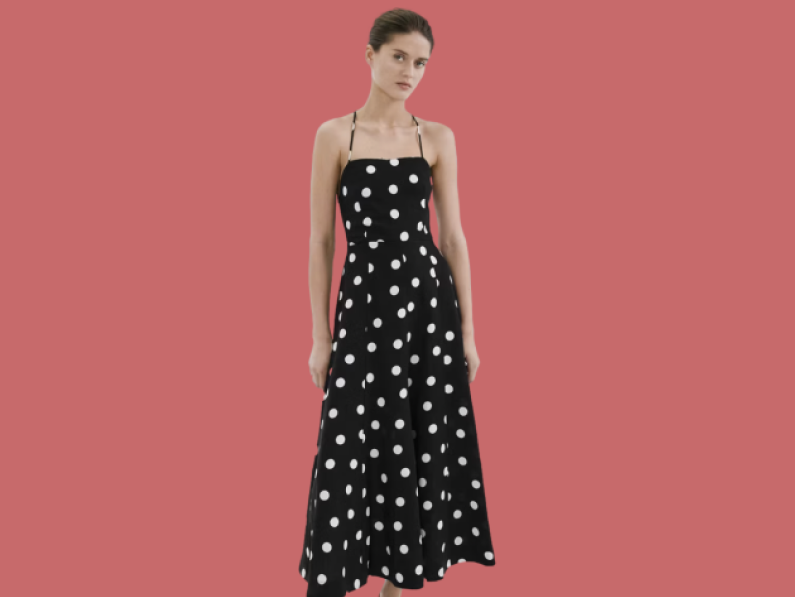
The invitation arrives in a heavy, cream-colored envelope, its weight promising a night of champagne and curated joy. But for many, that paper rectangle triggers a familiar, low-grade panic. You scan the dress code—Desert Chic, Garden Formal, Black Tie Optional—and immediately, your mind drifts to the back of the closet. There, tucked behind a winter coat, hangs a graveyard of polyester. It is a collection of "one-hit wonders": the neon midi you wore to your cousin’s 2022 vineyard wedding, the stiff lace sheath from a college roommate’s nuptials, and that floor-length sequined number that felt like a good idea until you had to sit down for a four-course meal.
We have been conditioned to believe that a wedding is a theater performance where the audience must never wear the same costume twice. It is a costly, exhausting, and environmentally taxing myth. Every year, millions of dresses are purchased for a single six-hour window, only to be discarded or forgotten. The truth is, the most stylish person in the room isn't the one in the trendiest new arrival. It is the person who looks entirely at ease because their garment has a history.
Sticking to a wardrobe of "repeaters" isn't just a frugal choice. It is a rebellion against the disposable nature of modern celebration.
The Sarah Scenario and the Trap of the New
Consider Sarah. She is thirty-four, has three weddings on the calendar this summer, and a mortgage that doesn't care about her social life. For the first wedding, she buys a trendy, cut-out dress in "Living Coral." She feels great for exactly two hours. Then, the silk starts to pull. The cut-outs make sitting uncomfortable. By the time the cake is cut, she is hyper-aware of the dress. She never wears it again.
The mistake Sarah made—the mistake we all make—is shopping for the event rather than the woman. We look for a dress that matches the Pinterest board of the bride, forgetting that we have to live in that fabric long after the sparkler exit. To find a dress you will actually wear on repeat, you have to look for the "invisible bones" of a garment: the weight of the fabric, the versatility of the neckline, and the ability to survive a washing machine or a frantic spot-cleaning in a hotel sink.
The Slip Dress That Learned to Camouflage
The first essential in any recurring wedding wardrobe is the heavy-gauge silk or satin slip dress. Forget the thin, clingy versions that reveal every seam of your undergarments. We are talking about a bias-cut piece with enough weight to drape like liquid.
Think of it as a canvas. For a black-tie wedding at a cathedral, you pair it with a structured blazer and pointed-toe heels. Three months later, for a casual beach ceremony, you swap the blazer for an oversized linen shirt tied at the waist and flat gold sandals. The dress hasn't changed, but the energy has.
The beauty of a bias-cut midi is in its physics. Because the fabric is cut diagonally across the grain, it stretches and moves with your body rather than fighting against it. You can eat the risotto. You can dance to "September." You can breathe. This is a dress that earns its keep by being the most reliable person in your life.
The Architectural Miracle of the Wrap
There is a reason the wrap dress has survived every fashion cycle since the 1970s. It is a feat of engineering. If you find one in a high-quality matte jersey or a crisp poplin, you have found a unicorn.
A wrap dress is the ultimate solution for the "transitional" wedding—those awkward events that start in a breezy park and end in a chilly ballroom. The v-neckline provides a perfect frame for jewelry, allowing you to "up-style" or "down-style" depending on the venue's level of pretension.
But the real secret to its longevity? Adaptability. Our bodies change. We bloat, we lean out, we age. A zippered dress is a harsh judge; it either fits or it doesn't. A wrap dress is a conversation. It meets you where you are that morning, cinching exactly where you need it to. It is the garment equivalent of a best friend who tells you that you look great even when you’ve had four hours of sleep.
The Dark Florals That Defy the Seasons
We often categorize dresses by the month on the calendar. Pastels for May. Velvet for December. This is a trap designed to make you buy four dresses instead of one.
Enter the dark botanical. A midi or maxi dress with a deep base color—navy, forest green, or charcoal—adorned with a floral print is the ultimate seasonal shapeshifter. In the spring, the floral element feels fresh and aligned with the blooming scenery. In the autumn, the dark base tone grounds the look against the changing leaves.
Look for a "tea dress" silhouette: slightly puffed sleeves, a cinched waist, and a skirt that hits mid-calf. This shape is a historical powerhouse. It echoes the 1940s without feeling like a costume. It suggests a certain level of decorum for a ceremony while remaining playful enough for the moment the open bar kicks into high gear.
The Long-Sleeved Column and the Power of Restraint
There is a specific kind of confidence that comes with a long-sleeved dress. It is the choice of someone who doesn't need to shout to be heard. A column dress in a solid, saturated jewel tone—think emerald or sapphire—is perhaps the most formal "repeater" you can own.
People often shy away from sleeves, fearing they look too conservative. On the contrary, a long sleeve paired with a slightly lower back or an elegant boat neck is devastatingly chic. It also solves the "shrug problem." You don't need a pashmina that will inevitably end up draped over the back of a chair or lost under a table. You are the outfit.
The trick to making a column dress repeatable is the hemline. If you have it tailored to graze the top of your shoes, it works with a variety of heel heights. It becomes your "power suit" for the social circuit. You put it on, and the decision-making process is over.
The Two-Piece Illusion
Technically, this isn't a dress, but it functions like one. A coordinated skirt and top set is the smartest investment a wedding guest can make. When worn together, they provide the seamless look of a gown. When separated, they become the foundation for a dozen other outfits.
Imagine a high-waisted silk maxi skirt in a champagne hue. For a formal wedding, you wear it with the matching cropped silk top. For a fancy dinner on vacation, you wear that same skirt with a simple white tank top and a denim jacket. For a work event, the silk top goes under a suit.
This is how you beat the system. You aren't just buying an outfit for a Saturday in June; you are building a modular system of elegance. You are moving away from the "costume" mindset and toward a "signature" mindset.
The Weight of the Fabric and the Ethics of the Stitch
To make a dress last through a decade of weddings, you have to look past the color. You have to touch the hem. If the fabric feels thin enough to see your hand through it, it won't survive the third dry cleaning. If the stitches are long and loose, they will snag on a bridesmaid's bouquet or a stray chair leg.
We often feel a sense of guilt when we wear the same thing to multiple weddings, especially if the social circles overlap. We worry about the photos. We worry about being "that girl" in the green dress again.
But consider the alternative. The average garment is worn only seven times before being tossed. By choosing to be "the girl in the green dress," you are making a silent statement about quality over quantity. You are suggesting that your style is stable, not reactive. There is a quiet, magnetic authority in a woman who knows her look and isn't afraid to repeat it.
The Invisible Stakes of Your Closet
Beyond the aesthetics and the budget, there is a heavier reality. The fashion industry is responsible for a staggering amount of global carbon emissions and water waste. Every time we choose a dress that can be worn twenty times instead of once, we are casting a vote for a different kind of world.
We are moving away from the frantic, late-night scrolling through fast-fashion websites, hoping the "Next Day Delivery" actually arrives. We are moving away from the anxiety of the "fit" and the "trend."
Instead, we are moving toward a ritual. When you pull that reliable, beautiful dress out of your closet for the fifth time, you aren't just getting ready for a wedding. You are stepping into a garment that holds memories. You remember the toast your brother gave when you wore it the first time. You remember the way you felt dancing in it last summer. The dress becomes a part of your history, rather than just a footnote in someone else’s.
The next time that cream-colored envelope arrives, don't look for a new version of yourself. Look for the version of you that already exists in your wardrobe—the one who is comfortable, confident, and ready to celebrate without the burden of a one-night-only price tag.
The most beautiful thing you can wear to a wedding is the ease of a woman who isn't worried about her dress. You have already won the night because you are wearing something that was built to last. You are wearing a story.
You are wearing the dress that refused to die, and in it, you look timeless.