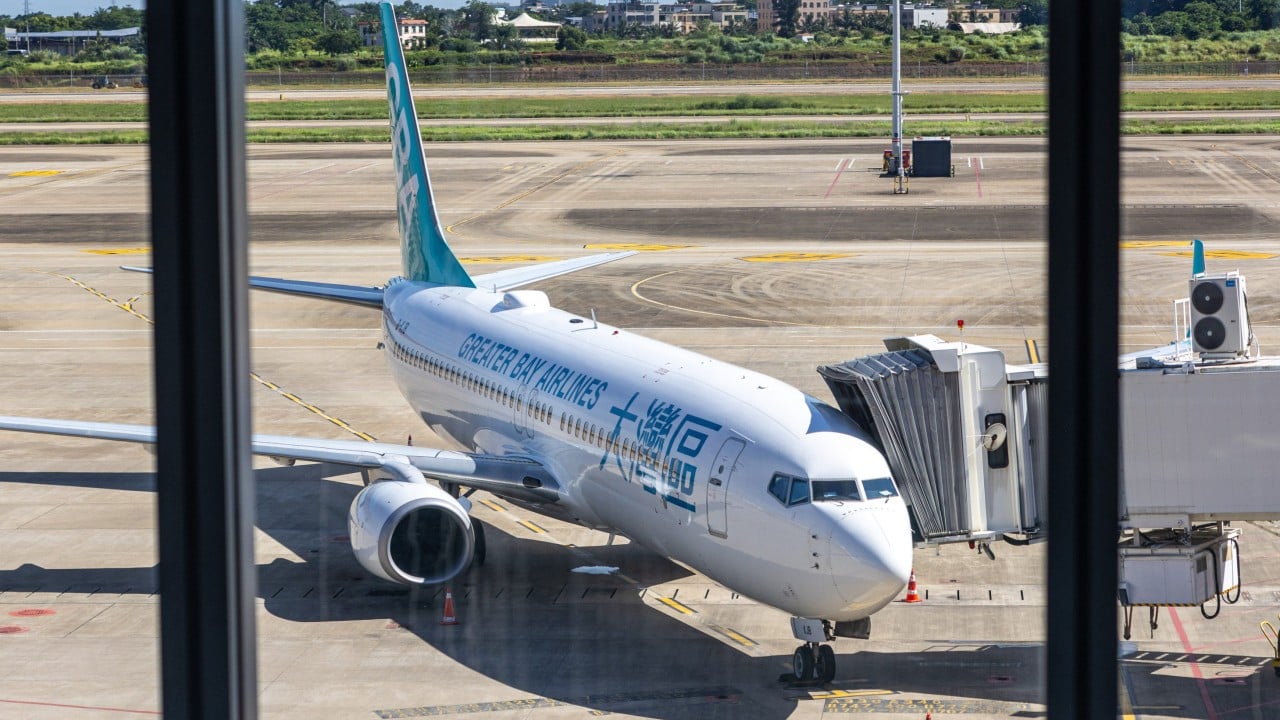
A 34% hike in fuel surcharges sounds like a heist. The headlines tell you that Greater Bay Airlines (GBA) is squeezing passengers, following in the footsteps of Cathay Pacific and HK Express. They want you to believe that "rising costs" are the villain and the traveler is the victim.
They are wrong.
The standard outrage over fuel surcharges is based on a fundamental misunderstanding of aviation economics. If you actually want a reliable airline that doesn’t vanish into a cloud of debt before your next flight, you should stop crying about the surcharge and start demanding a more honest pricing model.
The Hidden Tax of "Low" Fares
Most travelers suffer from a cognitive bias known as price anchoring. They see a ticket for $500 and think that is what the flight costs. It isn’t. That price is a marketing fiction designed to get you into the booking funnel. The "base fare" in the low-cost carrier (LCC) world is often a loss leader.
When Greater Bay Airlines raises its fuel surcharge, it isn’t "joining" a trend. It is correcting a deficit. Aviation fuel—specifically Jet A-1—is not a static utility like your home electricity. It is a volatile commodity that accounts for 25% to 35% of an airline's operating expenses.
The mistake most analysts make is assuming that airlines use surcharges to "profit." In reality, the surcharge is a risk management tool. By separating the fuel cost from the base fare, airlines create a buffer against the insane swings of the oil market. If they baked the total cost into the ticket price, they would have to update their entire pricing engine every time a tanker gets stuck in the Suez Canal.
Why You Should Fear "Stable" Prices
When an airline refuses to raise its fuel surcharge during a spike in oil prices, don't celebrate. Panic.
An airline that eats the cost of fuel without adjusting its revenue stream is an airline that is cutting corners elsewhere. I have spent years watching regional carriers bleed out because they were too afraid of the PR backlash from a surcharge hike. They start by reducing maintenance staff. Then they cut the quality of pilot training. Then they delay fleet upgrades.
Would you rather pay an extra $150 HKD on a flight to Tokyo, or fly on an aircraft where the engine overhaul was deferred because the CFO was trying to protect a "cheap fare" headline?
Greater Bay Airlines is a newcomer. Unlike Cathay Pacific, they don’t have decades of fuel hedging contracts to lean on. For a younger fleet, the fuel surcharge is the only thing standing between operational viability and a quiet exit from the market.
The Hedging Trap
The "lazy consensus" says that smart airlines hedge their fuel. They buy futures to lock in a price. But hedging is just gambling with a suit and tie on.
If an airline hedges at $90 a barrel and the market drops to $70, they are stuck paying a massive premium while their competitors—who didn't hedge—undercut them on every route. This is exactly what happened to several major carriers during the 2014-2015 oil crash. They were locked into high prices while the world enjoyed cheap fuel.
GBA’s decision to move with the market through surcharges is actually more transparent than a convoluted hedging strategy. It reflects the real-time cost of getting your body from Point A to Point B. If oil goes up, the price goes up. If it goes down, the surcharge (theoretically) drops.
The Hong Kong Context: A Controlled Market
Hong Kong is a brutal place to run an airline. Between the Civil Aviation Department (CAD) regulations and the dominance of the Cathay group, a startup like Greater Bay Airlines is fighting for oxygen.
The CAD sets the maximum level of fuel surcharges that airlines can levy on flights departing from Hong Kong. When GBA raises its charges, it is usually just hitting the ceiling that the government has already moved. It isn't a rogue move; it's a regulatory catch-up.
People ask: "Why can't they just make the base fare higher?"
Because the consumer is irrational. You will skip a $1,200 ticket and buy a $900 ticket with a $400 surcharge, even though the latter is more expensive. Airlines know this. They aren't trying to trick you; they are responding to your own flawed psychology.
The Reality of the 34% Jump
Let’s look at the numbers without the hyperbole. A 34% increase sounds massive. But look at the actual dollar amount. We are talking about an increase from roughly $92 HKD to $120 HKD for short-haul flights.
You spend more than that on a mediocre avocado toast in Central.
To suggest that an extra $28 HKD is going to "disrupt travel plans" or "hurt the tourism recovery" is nonsense. It is a rounding error in the total cost of a vacation. If your trip to Bangkok is so financially precarious that twenty-eight Hong Kong dollars ruins it, you probably shouldn't be flying in the first place.
Stop Asking for Cheap Flights and Start Asking for Frequent Ones
The real threat to the Hong Kong traveler isn't a fuel surcharge. It's the lack of competition.
For years, Cathay Pacific had a near-monopoly on many lucrative routes. Greater Bay Airlines represents a rare attempt to break that stranglehold. If we punish new entrants for practicing basic fiscal responsibility, we ensure that the monopoly returns.
A healthy GBA means more slots, more times, and more destinations. That competition is what keeps the total cost of travel down over the long term. A $30 surcharge is a small price to pay to keep a competitor in the sky.
The Downside of This Logic
Is there a risk? Of course. The risk is that airlines become addicted to surcharges and fail to lower them when oil prices plummet. This has happened before. In 2020, as oil prices went negative, some carriers were still slapping "fuel recovery fees" on tickets.
But in a competitive hub like Hong Kong, that greed is self-correcting. If GBA keeps its surcharges high while oil is cheap, HK Express or a resurgent regional LCC will eat their lunch.
The industry insider knows that the surcharge is the most honest part of your ticket. It’s the only part that directly correlates to the physics of flying. Everything else—the seat price, the baggage fee, the "convenience" charge—is pure marketing.
The Actionable Path for the Cynical Traveler
- Ignore the Base Fare: When comparing flights, only look at the final checkout screen. The "34% hike" is a distraction.
- Watch the Brent Crude Index: If you see oil prices dropping for three consecutive months and the surcharges don't budge, that is when you should start writing letters to the CAD.
- Value Resilience Over Discounts: Choose the airline that is transparent about its costs. An airline that raises fees to stay solvent is infinitely more trustworthy than one that hides its losses until it goes bankrupt and leaves you stranded in a foreign airport.
The era of "free" travel fueled by cheap debt and undervalued oil is over. Greater Bay Airlines is just the first one brave enough to stop pretending otherwise. Pay the extra $30 and be glad you have a plane to board.
Stop complaining about the price of the fuel and start worrying about what happens if the airline stops buying it.