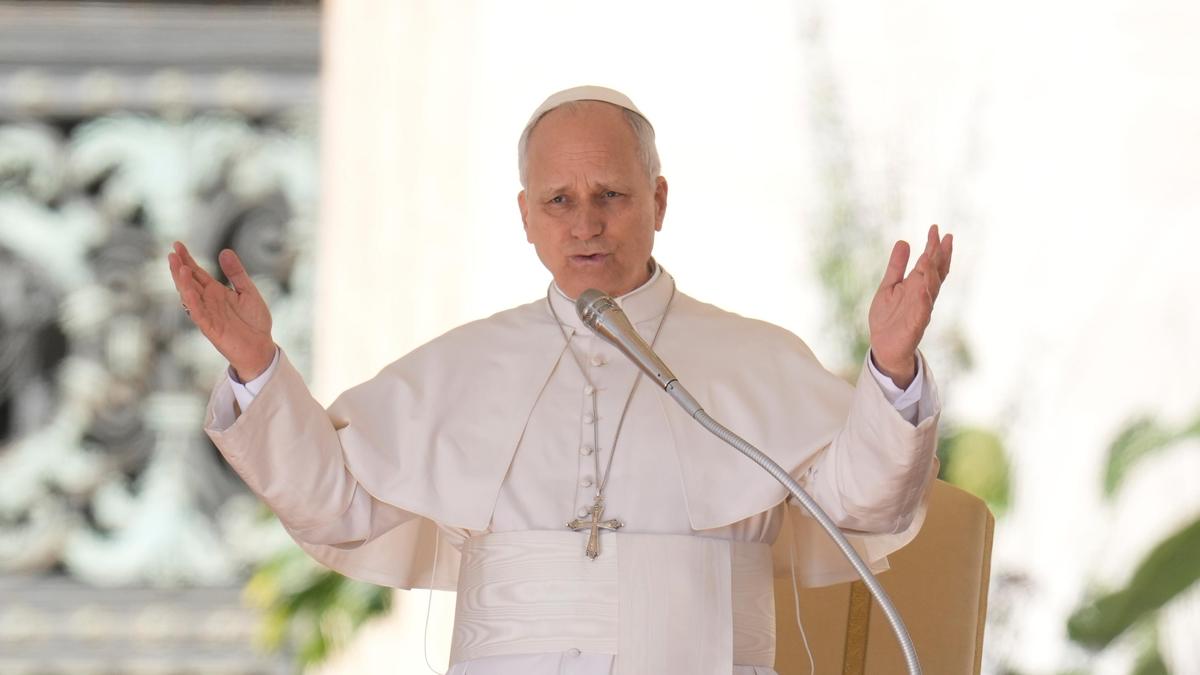
Pope Leo XIV isn't playing it safe. Just a year into a papacy that many insiders didn't see coming, the man born Robert Francis Prevost in Chicago is packing his bags for an 11-day, four-nation sprint across Africa. Starting April 13, 2026, he’ll touch down in Algeria, Cameroon, Angola, and Equatorial Guinea.
This isn't just another photo op with world leaders. It's a calculated, high-stakes move. By choosing Africa for his first major foreign tour of 2026, Leo is signaling exactly where he thinks the future of the Catholic Church lives—and it isn't in a shrinking, secular Europe.
The Chicagoan in Algiers
The first leg of the trip is the most daring. On Monday, April 13, Leo becomes the first pope to ever set foot in Algeria. Think about that for a second. In two millennia of Church history, no Bishop of Rome has made it to this corner of North Africa.
For Leo, this is personal. He's an Augustinian. He spent his life studying Saint Augustine of Hippo, the intellectual heavyweight of the early Church who lived and died in what is now modern-day Algeria. By visiting the ruins of Hippo in Annaba, he’s not just doing a historical tour; he’s claiming his roots.
But it’s also a diplomatic tightrope. Algeria is over 99% Muslim. The Catholic population is tiny—fewer than 10,000 people. When Leo visits the Great Mosque of Algiers, he isn't just being polite. He’s doubling down on the "bridge-building" mission he promised when he stepped onto the balcony of St. Peter’s in 2025. He wants to prove that a kid from the Chicago suburbs can navigate the complexities of Christian-Muslim relations without losing his identity.
Putting the Peace in Bamenda
If Algeria is about history and dialogue, Cameroon is about the raw, messy reality of 2026. Leo is heading straight for Bamenda. It’s the heart of the Anglophone region, a place torn apart by years of bloody conflict between government forces and separatists.
Most leaders would stay in the capital, Yaoundé. Not Leo. He’s planning a "meeting for peace" right in the middle of the tension. Interestingly, he’s expected to deliver his address there in English. For a pope who usually sticks to French or Italian on the world stage, this is a massive nod to the local community. He’s trying to show he hears them—literally and figuratively.
Youth Resources and the Legacy of Colonialism
The tour doesn't slow down as it moves south. Angola and Equatorial Guinea are the "growth engines" of the Church, but they’re engines fueled by complicated politics.
- Angola: Leo is focusing on the youth. More than half the population is under 18. He’s walking into a country rich in oil but plagued by the kind of inequality that keeps young people in poverty. Expect him to be blunt about corruption. He's already shown a centrist but firm hand on social issues, and he isn't likely to hold back here.
- Equatorial Guinea: This is a rare stop. The country is roughly 70% Catholic, but it hasn't seen a pope since 1982. Leo is coming to talk about "resource exploitation," a theme he’s carried over from his predecessor, Pope Francis.
What This Means for You
You might wonder why an American pope’s travel schedule matters to you. It matters because Leo is redefining the papacy for the mid-2020s. He’s combining the intellectual depth of an Augustinian scholar with the "boots on the ground" missionary experience he gained during his decades in Peru.
He’s not interested in just being a Western figurehead. By hitting four countries, 11 cities, and using four different languages (English, French, Portuguese, and Spanish) in just 11 days, he’s proving he can handle the "18,000-kilometer marathon" that the modern papacy requires.
He’s also addressing the things people actually care about in 2026:
- Migration: Algeria is a key transit point for people trying to reach Europe. Leo has been a fierce advocate for migrant rights, and he’ll likely use the Mediterranean backdrop to call for more humane policies.
- Climate Change: As he marks the 10th anniversary of Laudato Si’, he’s going to highlight how resource extraction in places like Angola impacts the poor.
- Artificial Intelligence: It sounds weird for a religious leader, but Leo has been vocal about the ethics of AI. Don't be surprised if he mentions how technology can either bridge the gap between the Global North and South or widen it.
If you want to follow the trip, keep an eye on the Vatican’s official channels starting April 13. The in-flight press conference on his return to Rome (around April 23) is usually where the most honest, off-the-cuff remarks happen. That’s where we’ll see if this "American Experiment" in the Vatican is actually working.
Leo is betting that the future isn't in the marble halls of Rome, but in the vibrant, struggling, and rapidly growing parishes of Africa. Whether he can actually move the needle on peace in Cameroon or migration in Algeria remains to be seen, but he’s certainly not afraid to try.