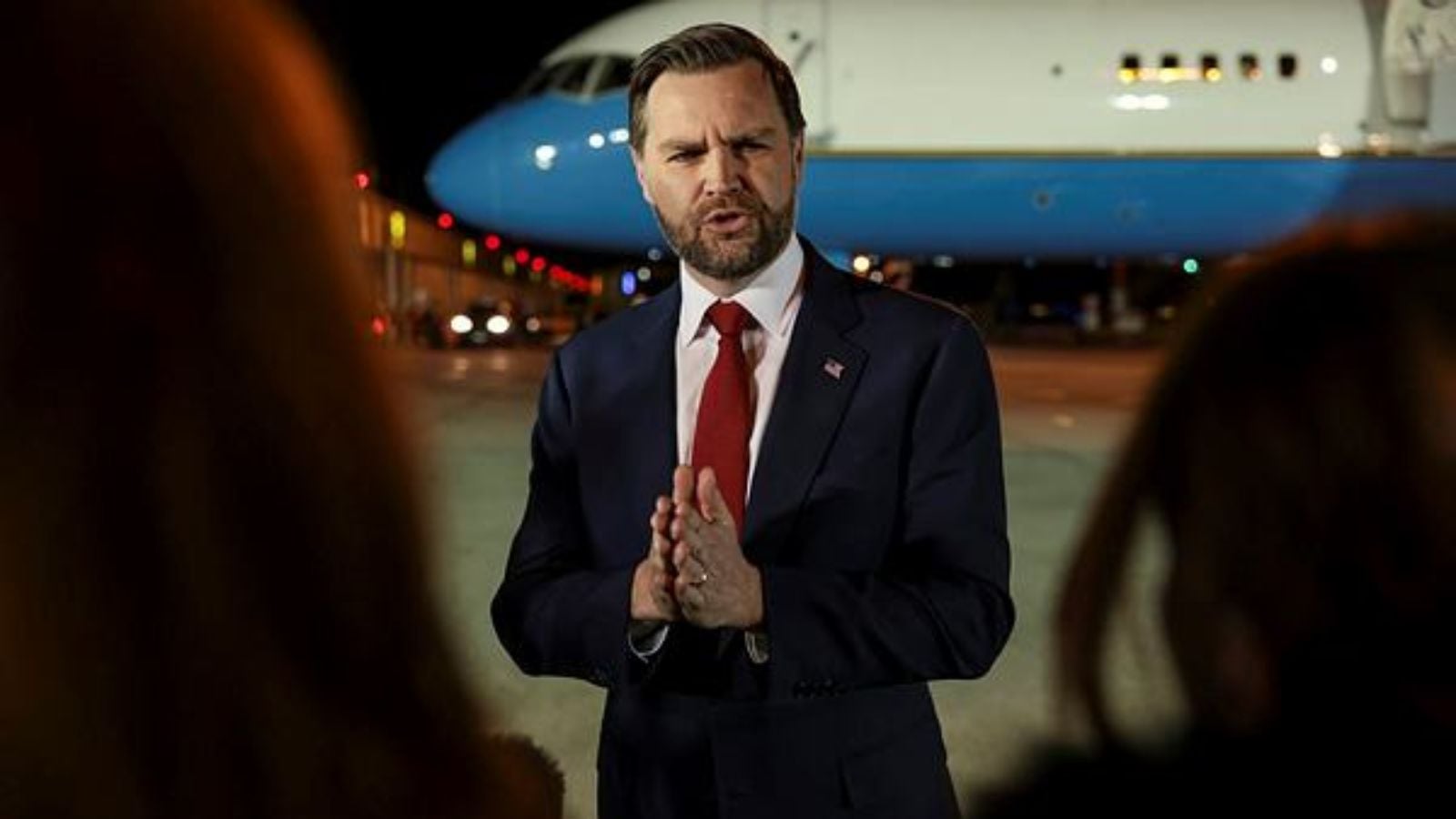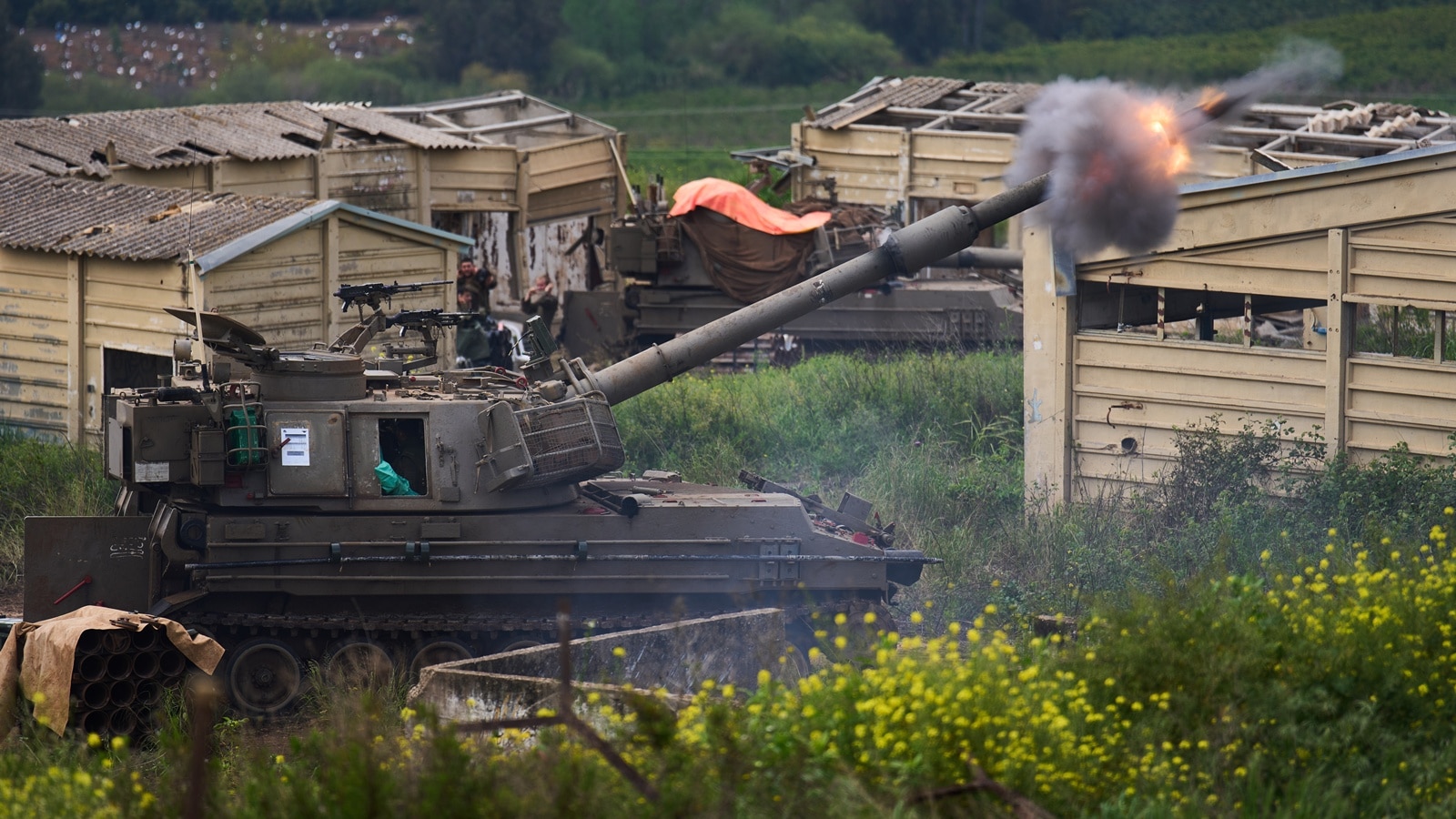
Everyone in Beirut felt it. That collective, desperate sigh of relief when the rumors of a ceasefire started hitting the group chats and news tickers. People actually started thinking about going home. They thought the worst was over. Then the sky fell in. What happened next wasn't just a military operation; it was a brutal demonstration of how quickly diplomatic optimism can be turned into a tactical trap.
The reality of the Lebanon ceasefire "expectations" vs. the actual "execution" by the Israeli military shows a massive gap in how these conflicts are understood by the public and how they're managed by those holding the triggers. You don't just "accidentally" launch a massive aerial campaign hours after a diplomatic breakthrough is floated. It's a strategy. Read more on a similar issue: this related article.
The Mirage of Diplomacy in a Hot Zone
The psychological impact of a teased ceasefire followed by a massive bombardment is devastating. It's not just about the physical destruction of buildings in Dahiyeh or southern villages. It's about the total collapse of trust. When news broke that a deal might be on the table, families in Lebanon began to plan. They looked at maps. They wondered if they could get back to their olive groves or check if their apartments were still standing.
Then the "deadly blitz" began. More reporting by NPR delves into comparable perspectives on the subject.
Israel’s military objective wasn't hidden. They wanted to ensure that if a ceasefire actually happened, it happened on their terms and with Hezbollah’s infrastructure decimated beyond immediate repair. This isn't a new playbook. We've seen this in almost every major conflict in the region over the last forty years. The final hours before a clock stops are always the bloodiest because every side wants to grab the last piece of high ground.
Why the Blitz Happened Right When Peace Seemed Possible
It feels like a betrayal to the average person, but to a military strategist, the moments before a ceasefire are the most "productive" windows for high-value strikes. If you know you have to stop shooting at midnight, you're going to use every missile you have at 11:59 PM.
Hezbollah’s command structure was the primary target, but the cost was paid by the civilians living in the crossfire. The Israeli Air Force struck hundreds of targets in a matter of hours. They hit launch sites, storage facilities, and command centers. The sheer volume of fire was meant to send a message: "We aren't stopping because we have to; we're stopping because we’ve finished the job."
But did they finish it? History says no. You can't bomb an ideology out of existence, and you certainly can't build a lasting peace on the heels of a surprise blitz that people feel was a "sucker punch" during negotiations.
The Intelligence Gap and Civilian Toll
One thing people often get wrong is the idea that these strikes are perfectly surgical. Even with the best intelligence, dropping 2,000-pound bombs in densely populated areas like Beirut’s southern suburbs is going to result in what the military coldly calls "collateral damage."
We’re talking about real people.
- Doctors trying to keep regional hospitals running with no fuel.
- Families who fled the south only to find their "safe" shelters in the city were now targets.
- Kids who have spent their formative years learning the difference between the sound of a drone and a fighter jet.
The human cost of this specific blitz was staggering because of the timing. When people think a ceasefire is coming, they let their guard down. They move around more. They congregate. That makes the death toll rise when the bombs start falling again.
Breaking Down the Hezbollah Response
Don't think for a second Hezbollah was just sitting there waiting for a pen to hit paper. While the Lebanese government and international mediators were talking about a 21-day truce or a permanent end to hostilities, the fighters on the ground were digging in.
Hezbollah has spent decades building a "state within a state." Their resilience isn't just about rockets; it's about their social fabric and their deep-rooted presence in the Shia communities of Lebanon. When Israel unleashed its blitz, Hezbollah responded with its own barrages into northern Israel, proving that despite the massive aerial pressure, their "nerve center" was still functional.
This back-and-forth proves that a ceasefire isn't a solution—it's a pause. Unless the underlying issues of border demarcation, the presence of armed groups, and the sovereignty of the Lebanese state are addressed, we're just waiting for the next blitz.
The Global Reaction and the Failure of the International Community
The UN, the US, and France all looked remarkably ineffective during this window. They pushed for a ceasefire, briefed the press that things were "moving in the right direction," and then stood by as the most intense bombing of the campaign started.
It makes you wonder if the diplomacy was ever real or if it was just cover for the next phase of the war. For the Lebanese people, the "international community" is a phrase that carries no weight anymore. It’s just words.
Why Conventional SEO Tactics Miss the Point
Most news outlets will give you a dry timeline of events. They’ll tell you "X happened at 4:00 PM" and "Y happened at 6:00 PM." But that doesn't tell the story. The story is the guy in Tyre who thought he could finally take his kids out of a basement, only to have the ceiling collapse on them.
The story is the complete failure of the "Rules of War" in an era where everyone has a camera but nobody has a conscience. We need to stop looking at these events as isolated military "events" and start seeing them as the systematic destruction of a country’s hope.
What This Means for the Region in 2026
We're looking at a transformed Middle East. The old "red lines" are gone. The idea that certain areas or certain times are "off-limits" for major escalations has been proven false.
- Displacement is the New Normal: Hundreds of thousands of people are now permanently displaced. They aren't going back to villages that have been leveled.
- Economic Collapse: Lebanon was already on its knees. This blitz didn't just hit targets; it hit the last remaining bits of the economy.
- The Radicalization Cycle: Every time a "ceasefire" turns into a "blitz," a new generation of people decides that diplomacy is a lie and violence is the only language that works.
Honestly, the "ceasefire" talk was probably the most dangerous part of the whole week. It gave people a false sense of security that killed more than it saved.
If you're following this, don't just look at the headlines about "peace talks." Look at the flight paths of the jets. Look at the movement of tanks. The hardware tells the truth when the politicians won't. Lebanon is caught in a vice, and until the world stops treating its civilian population as a secondary concern, the blitzes will keep coming.
Stop waiting for a "grand deal" to fix this. It’s going to be a long, painful grind. If you have family there, tell them to stay vigilant. Don't trust the rumors of a pause until the drones stop humming. That hum is the only honest thing left in the sky over Beirut.
Keep your emergency kits packed. Stay away from windows in the southern suburbs. Don't assume a "diplomatic breakthrough" means the bombs won't fall tonight. It usually means the opposite.