Twenty-three votes. In a state with over 10 million people, that’s basically a rounding error. But in North Carolina's 26th Senate District, those 23 votes just ended the era of the most powerful man in state politics.
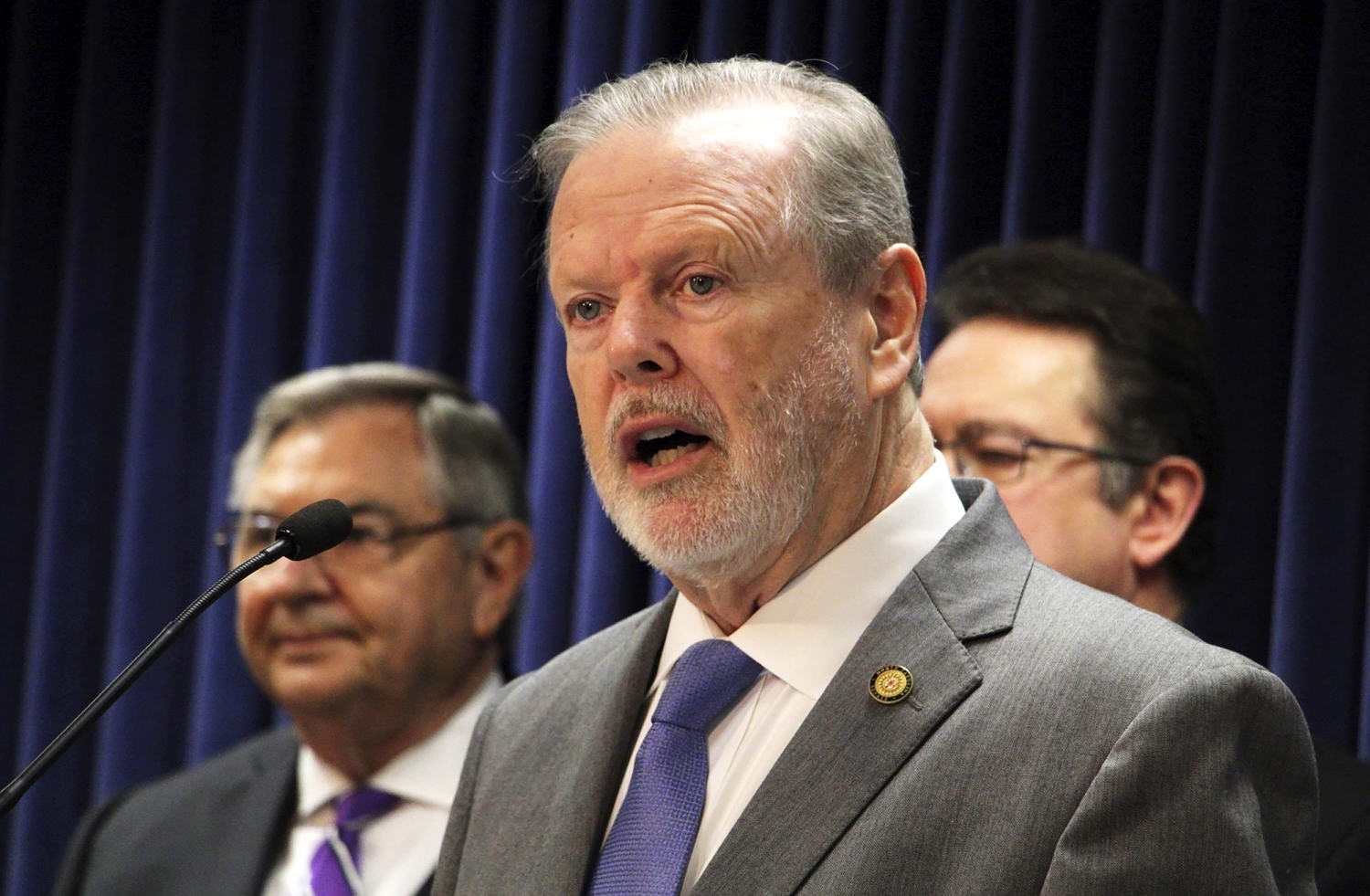
Senate President Pro Tempore Phil Berger officially conceded his primary race to Rockingham County Sheriff Sam Page on Tuesday, March 24, 2026. After weeks of recounts, legal protests, and enough tension to snap a guitar string, the result didn't budge. Berger, the architect of the modern North Carolina GOP and the man who has run the Senate since 2011, is out.
If you think your single vote doesn't matter, look at the math here. This wasn't a landslide. This wasn't a "message" from a broad electorate. It was a knife-fight in a phone booth where a handful of people choosing to stay home or head to the polls changed the trajectory of the entire state government.
The Recount That Changed Nothing
Berger didn't go down without a fight. You wouldn't expect him to. He's a litigator by trade and a political heavyweight who has survived decades of shifting maps and demographic changes. After the March 3 primary left him trailing by a microscopic margin, he triggered the state's recount laws.
The process was grueling.
- The Initial Machine Recount: Every ballot in Guilford and Rockingham counties went back through the scanners. The result? No change.
- The Partial Hand Recount: State law allows for a sample of ballots to be hand-counted to check for machine errors. Berger needed to find just two votes in a sample of 1,340 to trigger a full statewide hand recount. He found zero.
- The Election Protests: Berger’s team filed challenges regarding 13 specific ballots, alleging some voters were given the wrong ballot style. Even if he had won every single one of those challenges, it wouldn't have bridged the 23-vote gap.
Honestly, the most shocking part isn't that he lost, but how little the needle moved during the verification process. Usually, when you're looking at 26,000+ ballots, you expect a few more stray marks or human errors to surface. This time, the system held firm.
David vs Goliath in the Ninth Largest State
To understand how massive this upset is, you have to look at the bank accounts. This wasn't a fair fight on paper. Phil Berger’s campaign and the independent expenditure groups backing him spent upwards of $8.6 million. That’s a staggering amount for a state senate primary.
On the other side, Sam Page—a sheriff who has held his post since 1998—ran on a relative shoestring budget of about $81,000. Berger outspent him 100-to-1.
Why did it happen? It’s tempting to say money doesn't buy elections, but it usually does. In this case, there was a growing friction within the Republican base. Some voters felt the legislative leadership was moving too slowly on budget negotiations or wasn't "outsider" enough for the current political climate. Even an endorsement from Donald Trump wasn't enough to save Berger. It turns out, when you’ve been the face of the establishment for 15 years, the "incumbent advantage" eventually turns into an "incumbent target."
What Happens When the Architect Leaves
Berger wasn't just a senator. He was the "conservative architect." He took the reins in 2011 when Republicans took control of the General Assembly for the first time in 140 years. Since then, he has overseen:
- Massive tax overhauls that moved the state toward a flat tax.
- Significant shifts in education funding and school choice.
- The redistricting battles that have defined North Carolina's legal landscape for a decade.
With him leaving at the end of 2026, the power structure in Raleigh is going to look like a construction site. There’s no clear, singular heir to his level of influence. The Senate will have to elect a new President Pro Tempore in early 2027, and the jockeying for that position starts today.
The Sam Page Era Begins
Sam Page isn't a newcomer to politics, but he’s a newcomer to the legislative halls. He’s a veteran of the U.S. Air Force Security Forces and has spent decades in law enforcement. He’s going to bring a much more "rank-and-file" law-and-order vibe to the Senate.
He still has to win the general election in November, but in this deep-red district, the primary was the real hurdle. He’ll face Democrat Steve Luking, but the odds are heavily in Page's favor.
Why This Matters to You
If you live in North Carolina, the person who runs the Senate decides how much you pay in taxes, what your kids learn in school, and how your roads get built. For 15 years, that person was Phil Berger. In a few months, it won't be.
This loss proves that "unbeatable" is just a word people use until someone loses. It also proves that the ground is shifting. The GOP base is no longer satisfied with long-term leadership just because they’re effective; they want fresh blood, even if it means losing the most experienced guy in the room.
If you’re a candidate, the lesson is clear: don't rely on your war chest. If you’re a voter, the lesson is even clearer: those 23 people who decided to stop for a coffee instead of stopping at the polls on March 3 could have changed history. They didn't, and now the state is moving in a new direction.
Check your voter registration status today. North Carolina doesn't do boring elections, and the general election in November is going to be even more unpredictable. Stay informed on the local candidates in your specific district—because as we just saw, 23 votes is all it takes to flip the world upside down.