The recent extraction of an American F-15 pilot from hostile territory marks a significant shift in the shadow war between Washington and Tehran. While the Pentagon celebrated the successful recovery operation as a testament to its search-and-rescue capabilities, the simultaneous loss of another unmanned aerial asset to Iranian air defenses suggests a narrowing gap in regional dominance. This isn't just about a downed drone or a rescued pilot. It is about a calculated Iranian strategy to dismantle the perception of American invulnerability in the Middle East.
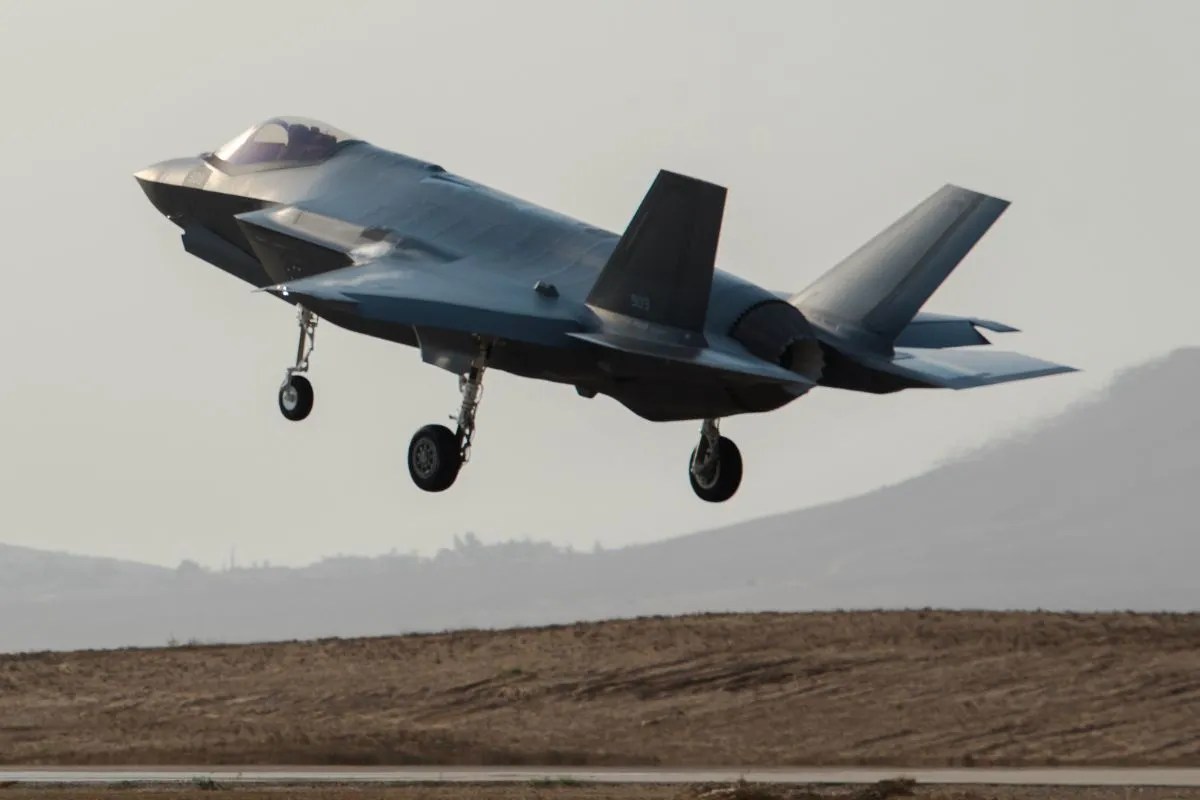
Washington has long relied on the F-15 Eagle as the undisputed backbone of its tactical air power. When an engine failure or a localized defense system brings one down, the recovery of the pilot becomes a high-stakes race against time and propaganda. In this instance, the pilot is home, but the debris left behind—and the subsequent loss of a secondary surveillance aircraft—tells a story of an adversary that is no longer content with merely watching the skies. Iran is actively contesting them.
The High Cost of Search and Rescue
Combat Search and Rescue (CSAR) is perhaps the most resource-intensive niche of modern warfare. It requires a synchronized dance of special operations forces, overhead cover, and electronic warfare jamming. When that F-15 went down, the US didn't just send a helicopter; it committed a massive footprint of assets to ensure the pilot didn't become a political pawn in Tehran.
The success of the extraction hides a darker tactical reality. To pull a pilot out of a contested zone, the US must broadcast its presence. This creates a "honey pot" effect. While the primary objective is achieved, the surrounding assets—often slower, less-armored drones or support planes—become targets of opportunity. This is exactly where the second loss occurred. Iran didn't need to stop the rescue to win a PR victory; they only needed to show they could take a second bite out of the American fleet while the world was distracted by the rescue.
Iran’s Evolving Integrated Air Defense Systems
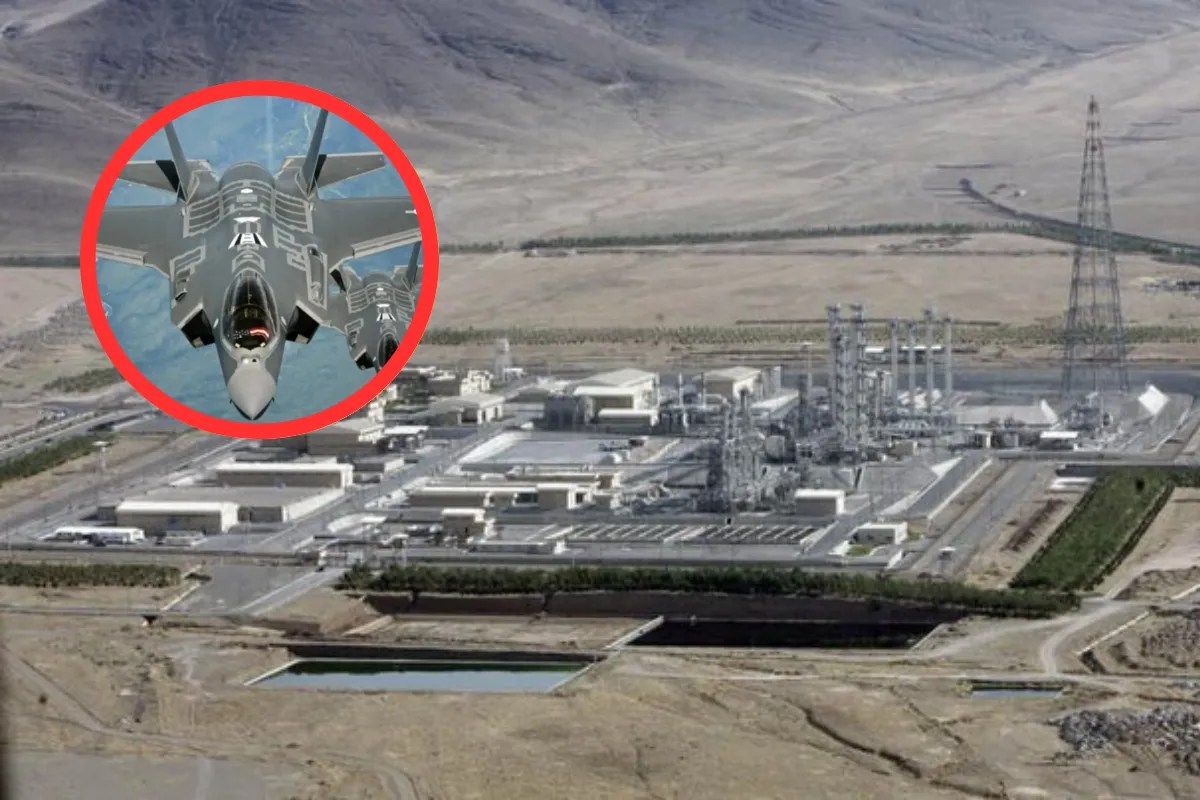
For decades, the narrative was that Iranian air defenses were antiquated leftovers from the Shah’s era or downgraded Russian exports. That narrative is dead. Tehran has spent the last ten years building a layered, indigenous network of sensors and missiles known as Integrated Air Defense Systems (IADS).
The "Bavar-373" and "Khordad-15" systems aren't just clones of the Russian S-300. They are tailored for the specific geographic and electronic environment of the Persian Gulf. They utilize "passive" detection methods—sensing the heat or radio emissions of an aircraft without sending out a radar signal that would give away their own position. This makes them incredibly difficult to suppress. When the US loses an aircraft in this environment, it isn't necessarily a failure of American tech, but a testament to the sheer volume and sophistication of the net Iran has cast over the region.
The Attrition Strategy Against Unmanned Assets
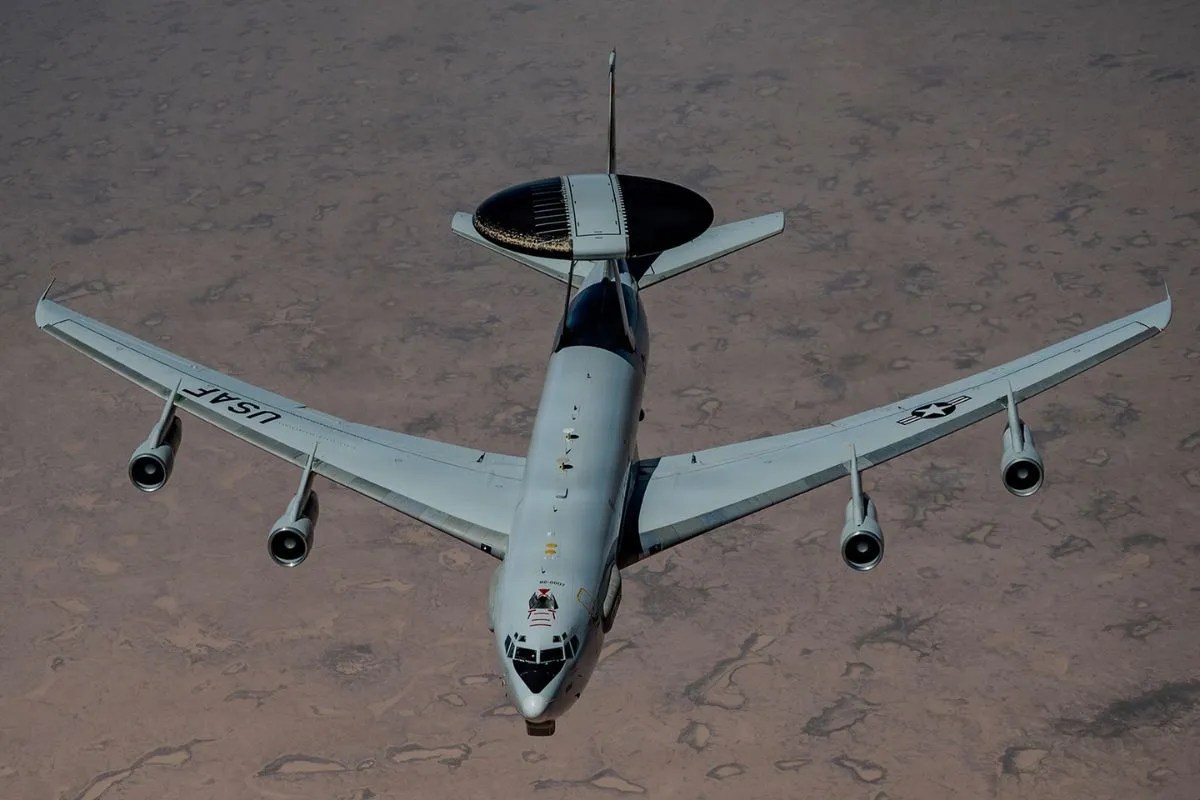
The loss of the second aircraft, widely reported as a high-altitude surveillance drone, highlights a specific Iranian tactic: the "Cheap Kill." A missile costing a few hundred thousand dollars taking down a drone worth tens of millions is a winning mathematical formula for Tehran.
They are playing a game of attrition. By targeting the eyes of the US military—the ISR (Intelligence, Surveillance, and Reconnaissance) platforms—they force the Pentagon into a difficult choice. Either pull back these assets and lose eyes on the ground, or keep them in place and accept a steady drip of losses that erode political will at home. The F-15 pilot rescue was a tactical win, but the loss of the second aircraft was a strategic signal that the cost of doing business in Iranian-adjacent airspace is going up.
The Logistics of the Eagle
The F-15 remains a marvel of engineering, but it is an aging one. Many of the airframes currently flying over the Middle East are decades old, pushed to their limits by high-tempo operations and harsh desert environments. Maintenance cycles are grueling.
Why Engines Fail in the Desert
- Fine Particulate Ingestion: Desert sand isn't just dirt; it's an abrasive that can glass-coat internal engine components at high temperatures.
- Heat Stress: Sustained operations in 110-degree Fahrenheit weather degrade seals and electronic cooling systems faster than in temperate climates.
- Supply Chain Lag: Getting specialized parts to forward operating bases remains a bottleneck that forces mechanics to "cannibalize" other jets to keep a few in the air.
When an F-15 goes down due to mechanical failure, it isn't just bad luck. It is often the result of an overstretched fleet being asked to perform at 100% capacity in 0% favorable conditions. Iran knows this. They don't always have to shoot a plane down to remove it from the theater; they just have to keep the pressure high enough that the machines break themselves.
Electronic Warfare and the Fog of Rescues
During the rescue of the F-15 pilot, the electronic spectrum was likely a chaotic mess. The US uses "bubbles" of jamming to protect its rescue teams, but these bubbles also act as a beacon. Iranian signal intelligence (SIGINT) units are adept at tracking these anomalies.
The downing of the second aircraft likely happened because it was positioned on the periphery of this electronic shield. In the scramble to protect the human life on the ground, the peripheral assets are often left vulnerable to "pop-up" threats—mobile missile launchers that stay dark until the very last second. This is a classic ambush tactic adapted for the 21st century. It relies on the psychological certainty that the US will prioritize a pilot's life above all else, creating a predictable opening in the defensive perimeter.
The Proxy Factor and Plausible Deniability
One of the most complex layers of this escalation is the use of proxy forces. While the US often points the finger directly at Tehran, the actual button-pushers are frequently members of localized militias equipped with Iranian hardware. This gives Iran a layer of insulation.
If the US retaliates against Iran for a downed drone, it looks like an aggressor. If it doesn't, it looks weak. This "gray zone" warfare is where the US has struggled to find a footing. The rescue of the pilot was a clean, kinetic success, but the political fallout of the second loss is much harder to manage. It reinforces the idea that the US is being "poked" into a reaction, and each poke reveals more about American response times and tactical preferences.
Shift in Regional Power Dynamics
Neighbors are watching. From Riyadh to Tel Aviv, the ability of the US to maintain air superiority is the gold standard of regional stability. If Iran can successfully down US aircraft with regularity, the security guarantees Washington provides start to look flimsy.
This isn't about a single afternoon in the skies. It's about the erosion of a multi-decade status quo. The US has dominated the air since the end of the Cold War, but the proliferation of "good enough" anti-air technology has democratized the ability to challenge that dominance. You don't need a stealth fighter to win an air war if you have enough missiles to make every flight a gamble for the enemy.
The Pilot as a Political Symbol
The reason the US will risk everything to save one pilot isn't just about morale; it's about the domestic political theater. A captured American pilot is a PR disaster that can end a presidency or force a war that no one wants. Iran understands this lever perfectly.
By forcing the US into these high-risk rescue operations, they are testing the threshold of American intervention. Every successful rescue is a sigh of relief, but it’s also a data point for the enemy. They see how we fly, they hear how we communicate, and they measure how long it takes for the JSOC teams to hit the ground. They are studying the playbook in real-time, using these incidents as live-fire training exercises.
Intelligence Gaps and the Drone Dilemma
The loss of the surveillance aircraft creates an immediate intelligence vacuum. These drones are used to track missile movements, troop rotations, and even the daily habits of high-ranking officials. When one goes dark, the US is essentially blinded in that sector for hours or days until a replacement can be cycled in.
This gap is exactly what Iran needs to move assets under the radar. The downing of the drone wasn't just a "kill" for the sake of a score; it was likely a tactical move to clear the skies for a specific, ground-based operation that the US wasn't supposed to see. We often focus on the hardware lost, but the real loss is the data that never reached the analysts.
Hardware is Replaceable, Aura is Not
The F-15 is a machine. The drone is a collection of sensors and carbon fiber. They can be rebuilt. What cannot be easily restored is the aura of "untouchability" that has defined American foreign policy for thirty years.
When an adversary proves they can successfully target and destroy US assets during a high-priority rescue mission, the psychological balance of power shifts. It emboldens other regional actors and forces the US to play a more defensive game. The Pentagon may call it a "mixed result," but in the brutal logic of Middle Eastern geopolitics, if you aren't winning decisively, you are losing slowly.
The extraction was a masterclass in bravery and execution by the rescue crews. Yet, the smoking wreckage of a second aircraft a few miles away serves as a cold reminder that the enemy is learning, adapting, and waiting for the next mechanical failure or tactical slip. The sky is no longer a safe haven. It is a front line.
Invest in more drones, harden the sensors, and rotate the airframes. The Eagle is still king, but the crown is heavy and the throne is being shaken.