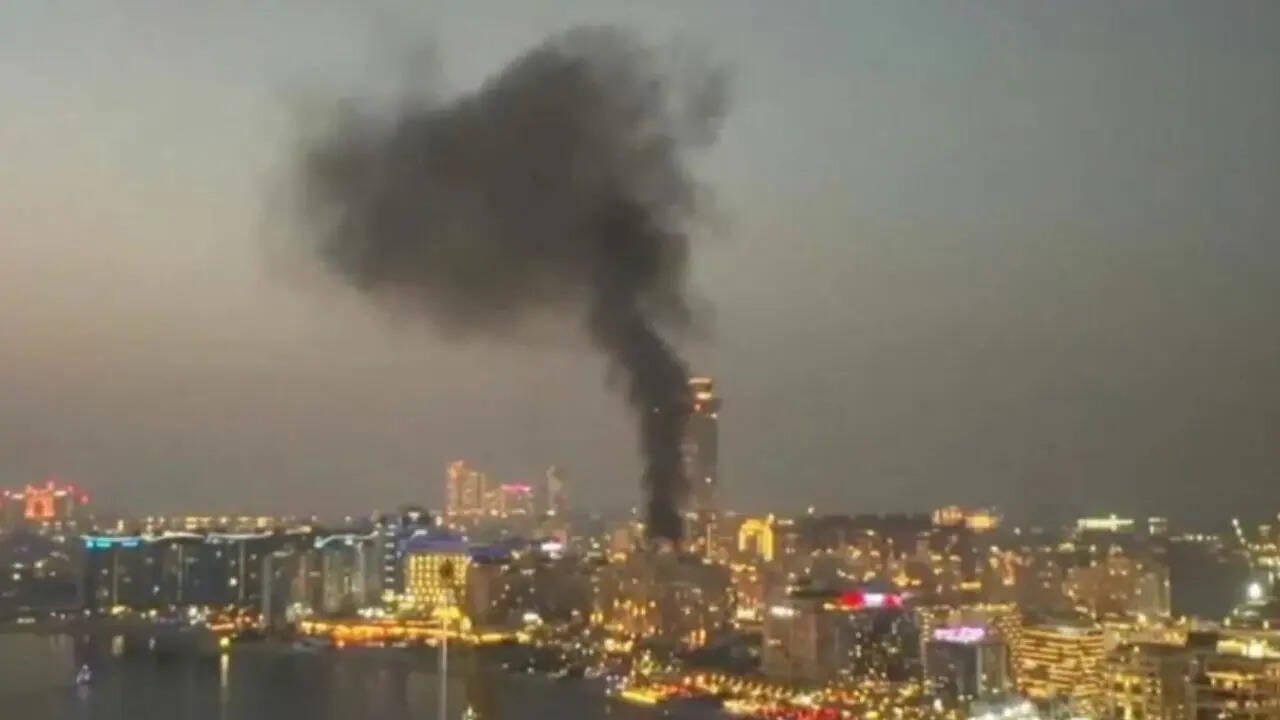
Waking up to news of shrapnel hitting a skyscraper is never on the Saturday morning agenda. If you live in Dubai Marina or work near Internet City, you probably saw the alerts or heard the chatter early this morning, April 4, 2026. Debris from an aerial interception struck the facade of a building in the Marina, and shortly after, another piece of shrapnel hit the Oracle building in Dubai Internet City.
Here’s the reality you need to know: nobody was hurt. There were no fires. The "incident," as the Dubai Media Office described it, was minor. But in a city of glass towers and global headlines, "minor" still feels heavy when it happens in your neighborhood.
What actually happened in the Marina and Internet City
Around the early hours of Saturday, UAE air defense systems successfully neutralized an aerial target. This isn't the first time the systems have been put to the test since regional tensions spiked in late February. When an interception happens at high altitude, the physics are simple but messy. The target is destroyed, but the metal fragments—the debris—have to go somewhere.
In this case, those fragments found the exterior of a residential building in Dubai Marina and the Oracle building's facade. Emergency teams were on the ground in minutes. If you’ve ever seen Dubai’s Civil Defense in action, you know they don't mess around. They cordoned off the areas, checked for structural issues, and confirmed that the damage was limited to the "skin" of the buildings.
The tech keeping the sky clear
I’ve spent a lot of time looking at how urban defense works in high-density cities. Dubai isn't just a tourist hub; it’s a vertical forest. Protecting it requires a layers-deep approach. The UAE uses a mix of systems, including the THAAD (Terminal High Altitude Area Defense) and Patriot batteries.
These systems are designed to hit a "bullet with a bullet." When they work perfectly—which they did today—the threat is vaporized or broken into small pieces. While falling debris is a risk, it's a controlled risk. It’s a trade-off. You’d much rather have a piece of a facade chipped by a fragment than let a primary target reach its destination.
Why the Oracle building was hit
The secondary strike at Dubai Internet City on the Oracle building facade tells us the interception likely happened at a significant altitude or involved multiple fragments spread over a wider trajectory. Internet City is a few kilometers from the Marina, showing the "debris field" can be broad. Again, the damage was labeled as "minor" by authorities, and the building's internal operations weren't compromised.
Living with the new normal in 2026
It’s easy to get caught up in the "what ifs." Since the conflict escalated on February 28, the Gulf has seen more air defense activity than in the previous decade. We’ve seen strikes on energy infrastructure, like the Habshan gas facility in Abu Dhabi, and even incidents involving tankers like the Al Salmi in late March.
But if you’re living in the Marina, don't panic. The city’s infrastructure is built with resilience in mind. The fact that shrapnel hit a glass facade and didn't cause a fire or structural failure isn't just luck. It's a testament to the building codes and the speed of the first responders.
Common mistakes people make during an alert
I've noticed a trend every time one of these interceptions happens. People run to the windows or balconies to film. Don't do that.
- Stay away from glass: If you hear a boom or an interception, the facade is the most vulnerable part of the building.
- Don't share unverified footage: Authorities have been strict about this. Sharing "rumor" videos can actually get you in legal trouble in the UAE.
- Follow official channels: The Dubai Media Office (DXBMediaOffice) on X is the only source you should trust for the first 30 minutes.
The bigger picture for Dubai’s safety
Despite the headlines, Dubai remains remarkably functional. The stock market has taken hits, and housing sales in some sectors dipped 25% last month, but the day-to-day life in the Marina—the joggers, the cafes, the yachts—continues.
The defense systems are doing their job. Since late February, the UAE has intercepted hundreds of drones and missiles. The success rate is incredibly high. Today’s event in the Marina wasn't a failure of defense; it was a byproduct of a successful one.
Your immediate checklist for peace of mind
If you’re a resident or an expat feeling a bit on edge, here's what you should actually do.
- Check your building's emergency exits: Know where the internal stairwells are. Avoid elevators during any active alert.
- Turn on government notifications: Ensure your phone receives the UAE's emergency broadcasting alerts.
- Secure loose balcony items: If more debris falls, small items on high balconies can become secondary projectiles.
- Ignore the "doomscrolling": The regional situation is complex, but the local response is world-class.
The situation in Dubai Marina is contained. No one is in the hospital, and the cleaning crews are likely already assessing the glass. Stay informed, stay away from the balconies during alerts, and keep moving. Dubai has seen plenty of challenges before; it's not stopping for some falling metal.