The Green Peace Delusion
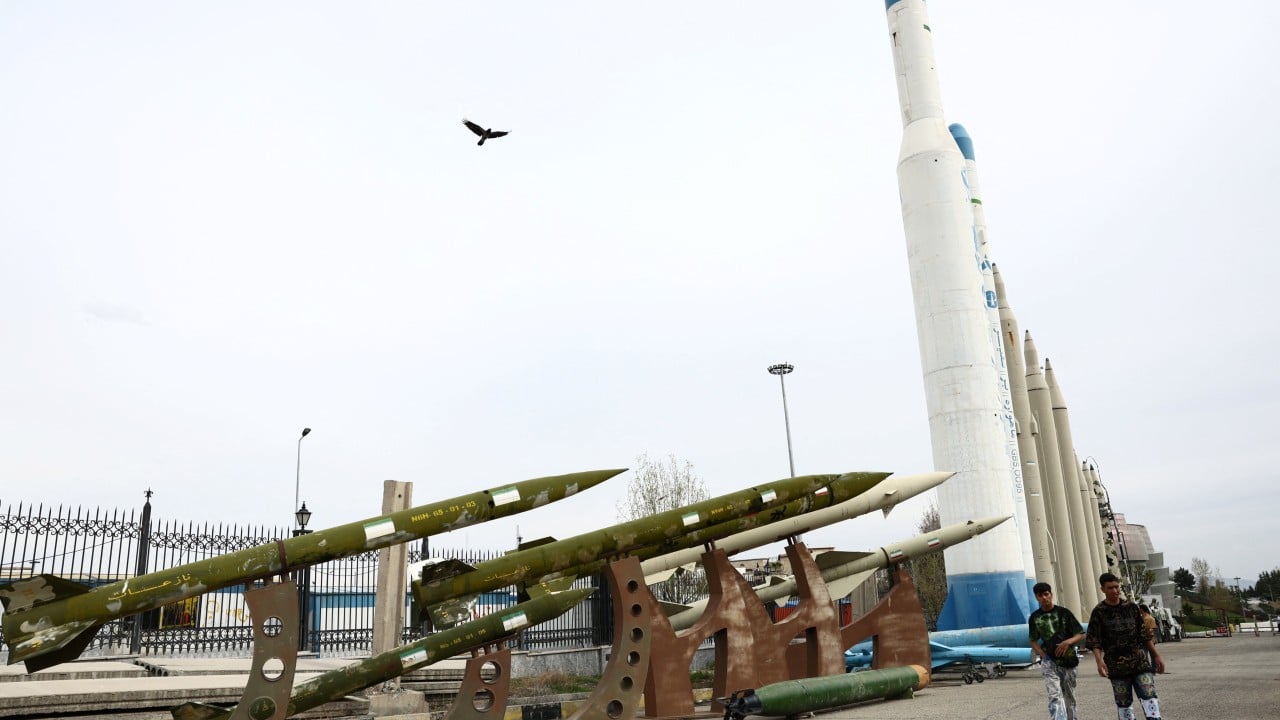
The recent push to turn COP31 into a tribunal for defense spending is a masterclass in strategic illiteracy. Activists are lining up to argue that the $2.4 trillion global military spend is a "climate tax" we can no longer afford. They want that money diverted to solar panels and heat pumps. They see tanks as nothing more than carbon-emitting relics of a primitive age.
They are dangerously wrong.
Cutting defense spending to save the climate is like selling your fire extinguisher to buy more smoke detectors. It feels proactive until the room starts to burn. The "lazy consensus" assumes that peace is the natural state of the world and that climate action can only happen in a vacuum of demilitarization. In reality, the exact opposite is true: without a dominant, technologically superior military infrastructure, there is no global stability. And without stability, there is no green transition.
I’ve spent a decade watching NGOs pitch "swords to plowshares" narratives to policy rooms. It’s a beautiful story that falls apart the moment a supply chain is choked or a resource war breaks out. You cannot build a global renewable energy grid in a world of chaotic, unchecked aggression.
The Decarbonization Paradox
Here is the truth nobody at COP wants to admit: The military is the only entity with the scale, the capital, and the sheer desperation to force the next generation of energy technology into existence.
Historically, the private sector is terrible at fundamental energy breakthroughs. It wants 10% year-over-year gains and safe bets. The military, however, operates on a different logic. It needs energy density that makes current lithium-ion batteries look like AA disposables. It needs portable nuclear power. It needs carbon-neutral synthetic fuels because hauling oil through a combat zone is a logistical nightmare and a death sentence for convoys.
If you want to see where the real "green" revolution is happening, stop looking at suburban rooftop solar. Look at the research into Small Modular Reactors (SMRs) and hydrogen fuel cells currently funded by defense departments.
Why the Activist Math Fails
The argument usually goes like this: "The US military emits more CO2 than 140 countries combined. Therefore, shrinking the military shrinks the footprint."
This is a linear solution to a non-linear problem.
- Security is a Prerequisite: Global trade—which includes the shipping of every wind turbine blade and EV battery—depends on the freedom of the seas. That freedom is guaranteed by carrier strike groups. If those disappear, trade routes fragment. Supply chains become localized and inefficient. The carbon cost of a fractured, protectionist global economy far outweighs the fuel burned by a few destroyers on patrol.
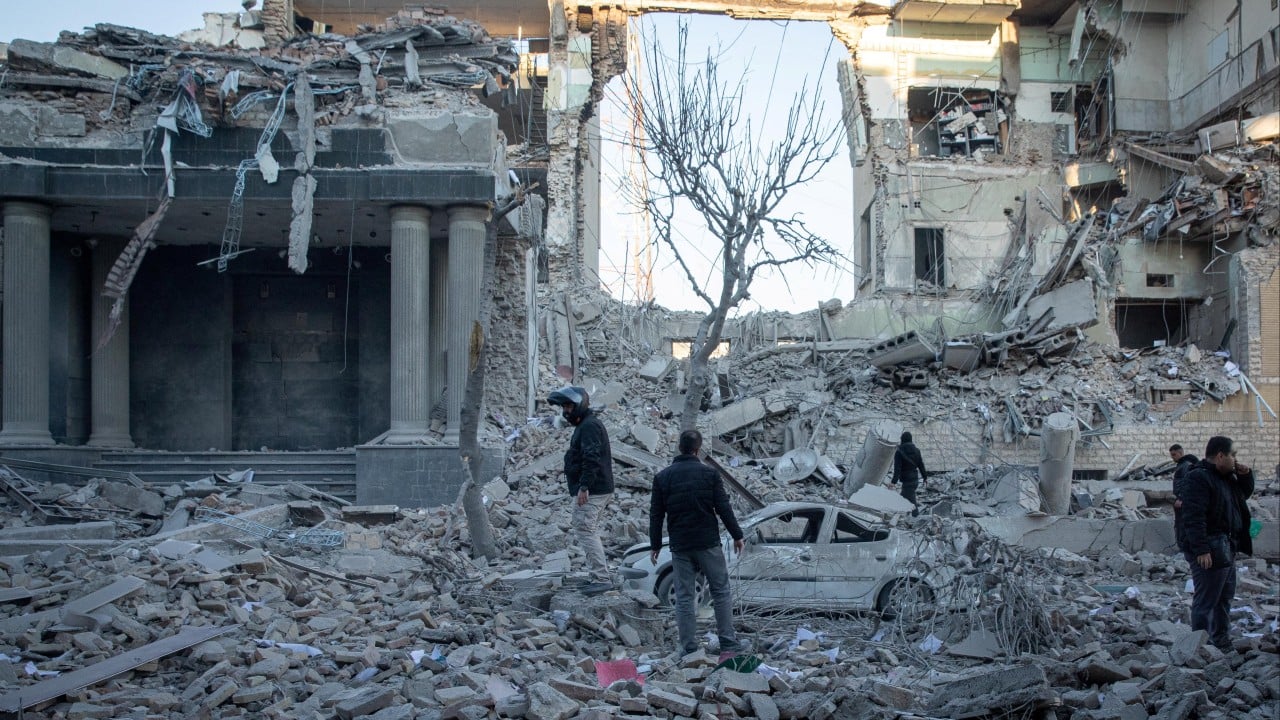
- The Stability Dividend: Imagine a scenario where a major power significantly defunds its military to meet climate targets. The resulting power vacuum doesn't result in "global cooperation." It results in regional actors seizing resource-rich territories. Conflict is the most carbon-intensive human activity. Preventing one major war saves more carbon than a million meatless Mondays.
The Myth of the "Peace Dividend" for Climate
Activists love to talk about the "Peace Dividend"—the idea that money not spent on bombs magically becomes money spent on trees. This has never happened.
When defense budgets are slashed, the money usually disappears into the black hole of sovereign debt servicing or entitlement spending. It rarely migrates to high-risk, high-reward R&D. By attacking defense spending, activists are inadvertently attacking the largest venture capital fund for deep-tech decarbonization on the planet.
We don't need a smaller military. We need a military that is obsessed with energy independence.
The True Cost of a Weak Defense
If we force the discussion at COP31 to be about stripping defense budgets, we aren't just weakening borders; we are weakening the transition itself.
- Rare Earth Realities: The "green" economy runs on minerals like neodymium, dysprosium, and lithium. Most of these are currently controlled by a handful of autocratic regimes. Without a credible military deterrent to ensure open markets and protect new mining partnerships, the West’s "Green Deal" is entirely at the mercy of its adversaries.
- Disaster Response: As climate change increases the frequency of extreme weather, who do you think does the heavy lifting? It isn't the local NGO with a clipboard. It’s the Navy and the Air Force. They are the only organizations with the heavy-lift capability and logistical reach to manage large-scale climate displacement and disaster recovery. Gutting their funding now is a form of atmospheric suicide.
Let’s Talk About Real Data
The carbon footprint of the global military is roughly 5.5% of global emissions. It’s not nothing. But compare that to the footprint of a globalized world falling into a state of permanent, low-intensity conflict because of a perceived lack of deterrence.
Conflict destroys infrastructure. It forces the rebuilding of entire cities (massive concrete carbon debt). It leads to the burning of forests for fuel and the abandonment of environmental regulations.
If we want to hit Net Zero, we need the most efficient, technologically advanced, and powerful military possible to keep the world stable enough to actually do the work.
Dismantling the Premise
People often ask: "Can't we just have a global agreement to cut emissions and defense simultaneously?"
This question assumes that all actors are rational and share the same values. They don't. For some regimes, climate change is an opportunity to be exploited, not a crisis to be solved. If the "good guys" disarm in the name of the climate, the "bad guys" will simply burn more coal to build more tanks.
The Counter-Intuitive Path Forward
Stop asking the military to shrink. Start asking the military to lead.
The Pentagon is already the largest single consumer of energy in the world. That makes it the ultimate "First Buyer." If the military decides it will only buy long-duration energy storage or zero-emission aviation fuel, those industries will achieve the scale they need to become commercially viable for everyone else within a decade.
This isn't a "pivot" to green. This is a tactical evolution. A tank that doesn't need a fuel line is a better tank. A base that runs on a micro-nuclear reactor is a more secure base.
The downside? Yes, this means more "military-industrial complex" involvement in the climate space. It means the transition won't look like a grassroots commune; it will look like an industrial mobilization. It won't be "peaceful" in the way activists dream of.
But it will actually happen.
Stop Trying to Defund the Guard
The push to include defense spending in COP31 discussions is a distraction. It plays into the hands of those who want to see the West weakened and the global order dismantled.
Climate change is a security threat. You don't meet a security threat by firing your security team. You meet it by giving them the tools to dominate the new environment.
If you want to save the planet, give the engineers at DARPA another $100 billion and tell them to solve the grid. Stop protesting the people who keep the lights on and the shipping lanes open.
A world that is both hot and unprotected is a world that won't survive. Pick your battles.
Direct your energy toward forcing the military to become the engine of the transition, rather than trying to bankrupt the only institution capable of enforcing the stability we need to survive the century.
The era of the "peaceful" transition is over. We are in a race for energy dominance.
Win the race or get out of the way.