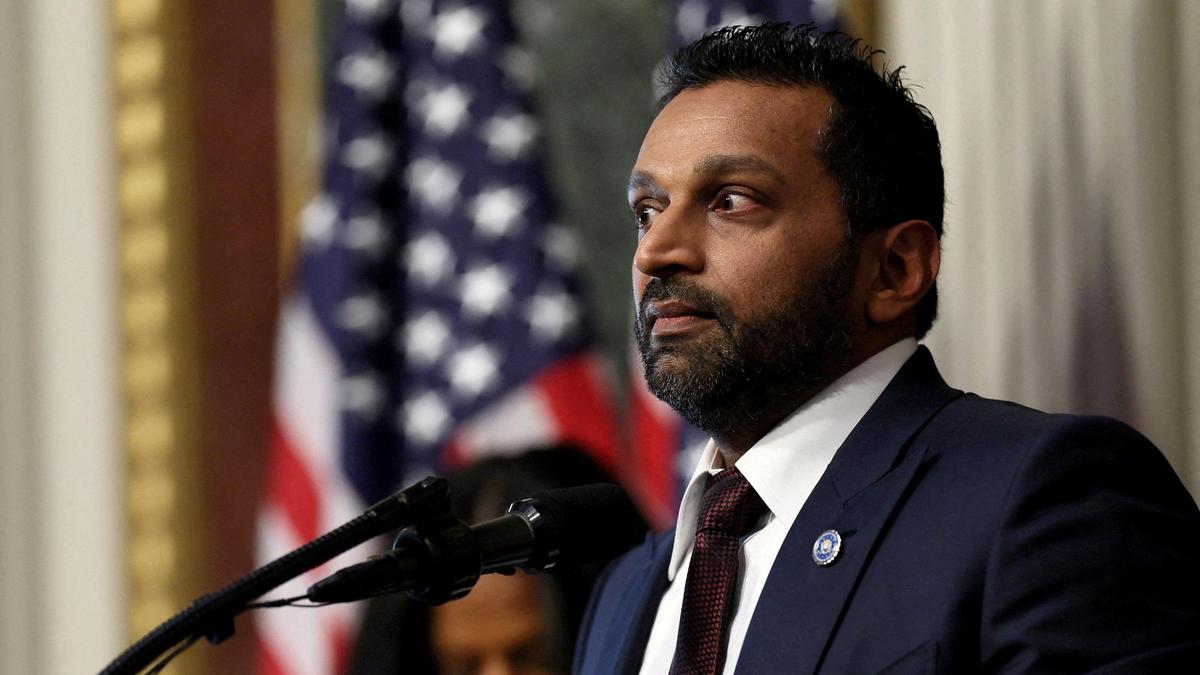
The breach of FBI Director Kash Patel’s personal email by Iranian-linked hackers is not just a lapse in personal security. It is a strategic strike against the American national security apparatus. By infiltrating the private communications of the man leading the world’s premier domestic intelligence agency, the attackers have signaled a shift in how geopolitical rivals use digital vulnerabilities to exert pressure on high-ranking officials. The compromise involves the unauthorized access of documents and personal photos, which were subsequently leaked to demonstrate the reach of Tehran’s cyber capabilities.
This incident marks a failure of the traditional divide between an official's public duties and their private life. In the current intelligence environment, that boundary has effectively vanished. When a figure as central to the administration as Patel is compromised through a personal account, the data exfiltrated often contains more than just private correspondence. It provides a roadmap of his associations, his travel patterns, and his unguarded thoughts, all of which are gold for a foreign intelligence service. If you found value in this article, you might want to look at: this related article.
The Architecture of a Targeted Phishing Campaign
The breach did not happen by magic. It was the result of a calculated, persistent effort likely involving sophisticated phishing techniques. Iranian groups, such as those identified as APT42 or Charming Kitten, have spent years refining the art of the "long con" in digital spaces. They don't just send a suspicious link; they build rapport. They may impersonate journalists, policy analysts, or even colleagues to lure their target into a sense of security.
Once the target clicks a malicious link or enters credentials into a spoofed login page, the attackers gain what they need. If multi-factor authentication is not active, or if it is bypassed through "MFA fatigue" attacks—where the target is bombarded with push notifications until they click "approve" out of frustration—the gate is wide open. For Patel, the breach allowed hackers to sit quietly within his inbox, mapping out his digital footprint before making their move to publish the stolen material. For another perspective on this story, refer to the latest coverage from Wired.
Why Personal Accounts Are the Soft Underbelly of Government
Security protocols for government-issued devices are notoriously rigid. They are encrypted, monitored, and restricted. However, human nature dictates that officials often drift toward the convenience of personal devices and third-party email providers for "off the record" conversations or family matters. This creates a massive, unmonitored attack surface.
Hackers know that the personal email of a high-level official is often the "backdoor" into the mindset of the administration. While the FBI director might not be sending classified memos from a Gmail account, he is likely discussing schedules, personal meetings, and unvetted opinions. To a foreign adversary, this "soft" intelligence is often more valuable than a classified document because it reveals the human element—the ego, the stress points, and the relationships that drive policy.
The Weaponization of Stolen Data
The publication of photos and personal documents is a classic psychological operation. By releasing these materials, the hackers aim to embarrass the individual and undermine the credibility of the institution they lead. It is a form of digital doxing designed to show that if the head of the FBI cannot protect his own data, the American public cannot expect the bureau to protect theirs.
This "hack and leak" strategy was perfected during the 2016 election cycle and has since become a standard tool in the Iranian and Russian playbooks. The goal is rarely to change a specific policy overnight. Instead, it is to sow discord, create distractions, and force the target to spend political capital defending their private actions rather than focusing on their professional duties.
The Iranian Cyber Doctrine
Tehran has invested heavily in cyber warfare as a low-cost, high-impact way to strike back against U.S. sanctions and military pressure. Unlike conventional warfare, cyber attacks offer a degree of plausible deniability. While intelligence agencies can attribute these attacks with high confidence to groups like the Islamic Revolutionary Guard Corps (IRGC), the Iranian government can simply deny involvement.
Their doctrine focuses on "asymmetric pressure." They recognize they cannot match the U.S. carrier for carrier, but they can match the U.S. bit for bit in the digital space. By targeting the inner circle of the U.S. government, they are signaling that no one is out of reach. The breach of Patel’s email is a direct message to the administration that their most sensitive personnel are being watched.
The Failure of Basic Digital Hygiene
Despite the warnings and the high-stakes nature of his position, the fact that such a breach was successful suggests a failure of basic digital hygiene. High-profile targets should be using hardware-based security keys, such as Yubikeys, which are virtually impossible to phish. They should be using encrypted messaging apps like Signal for all sensitive communication, whether personal or professional.
The reliance on standard password-and-SMS authentication is no longer sufficient for anyone in the public eye, let alone the Director of the FBI. The persistence of these vulnerabilities suggests a culture of complacency where convenience is still prioritized over security. This is a systemic issue that goes beyond one individual; it reflects a broader struggle within the federal government to keep pace with the evolving tactics of state-sponsored hackers.
The Geopolitical Fallout
The timing of this leak is almost certainly tied to broader tensions between Washington and Tehran. Whether it is a response to ongoing tensions in the Middle East or a pre-emptive strike to weaken the administration's resolve on future sanctions, the data is being used as a pawn. The stolen photos and documents are "proof of work" for the hackers, intended to validate their capabilities to their superiors in Tehran and to intimidate their rivals in the West.
This incident also complicates the FBI’s mission to combat cybercrime. When the leader of the agency is the victim of the very type of crime his organization is tasked with stopping, it creates a PR nightmare. It emboldens other state actors and non-state criminal groups to target high-level U.S. officials, knowing that the potential for a high-profile "win" is within reach.
Redefining Security for Public Figures
The Patel breach should serve as a final warning. The distinction between "work" and "home" is a relic of the analog age. For modern officials, every digital interaction is a potential entry point for an adversary. We must move toward a model where the personal security of key government figures is treated with the same level of rigor as their physical security detail.
This means mandatory use of advanced encryption, hardware-based authentication for all personal accounts, and continuous monitoring of the "dark web" for leaked credentials. It also requires a cultural shift where officials accept that their privacy is a luxury they may no longer afford in exchange for the responsibility of their office.
The Iranian hackers did not just steal photos; they exposed a gap in the armor of the U.S. intelligence community. If that gap is not closed immediately, the next breach will likely involve more than just personal embarrassment. It will involve the quiet, catastrophic erosion of national security from the inside out.
Every high-ranking official should be looking at their phone right now and wondering if they are next. If they are still using a simple password and a prayer, they already have their answer.