The pre-dawn air in Colombo usually carries the scent of salt and frying dough. But today, it smells of exhaust and anxiety.
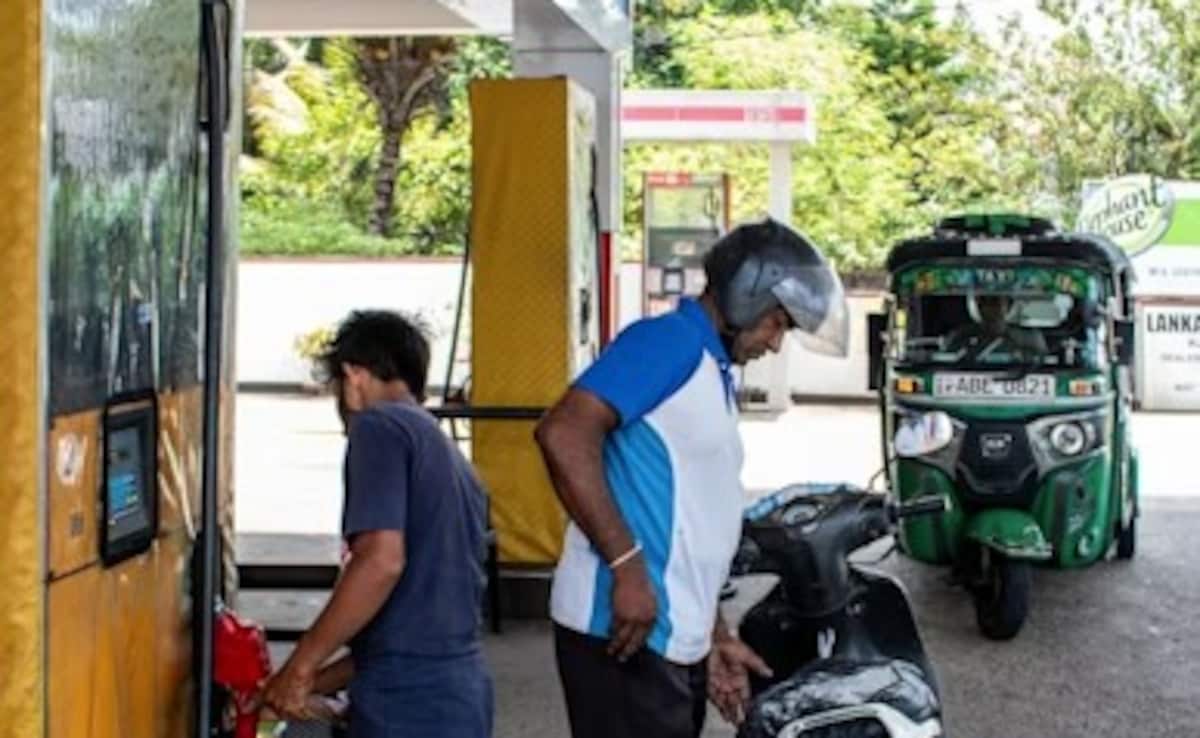
Arjun leans against his three-wheeler, the yellow metal frame still cool to the touch. He is fourth in a line that stretches past the shuttered pharmacy, around the corner of the cricket grounds, and dissolves into the morning mist. He isn't waiting for a passenger. He is waiting for a miracle delivered through a rubber hose.
The news broke at midnight, vibrating through cracked smartphone screens across the island. Fuel prices are up again. This time, it’s a 25% surge. To a trader in London or a strategist in Washington, 25% is a data point on a candle chart. To Arjun, it is the difference between buying milk for his daughter or settling for sweetened tea.
The Ghost of a War Five Thousand Miles Away
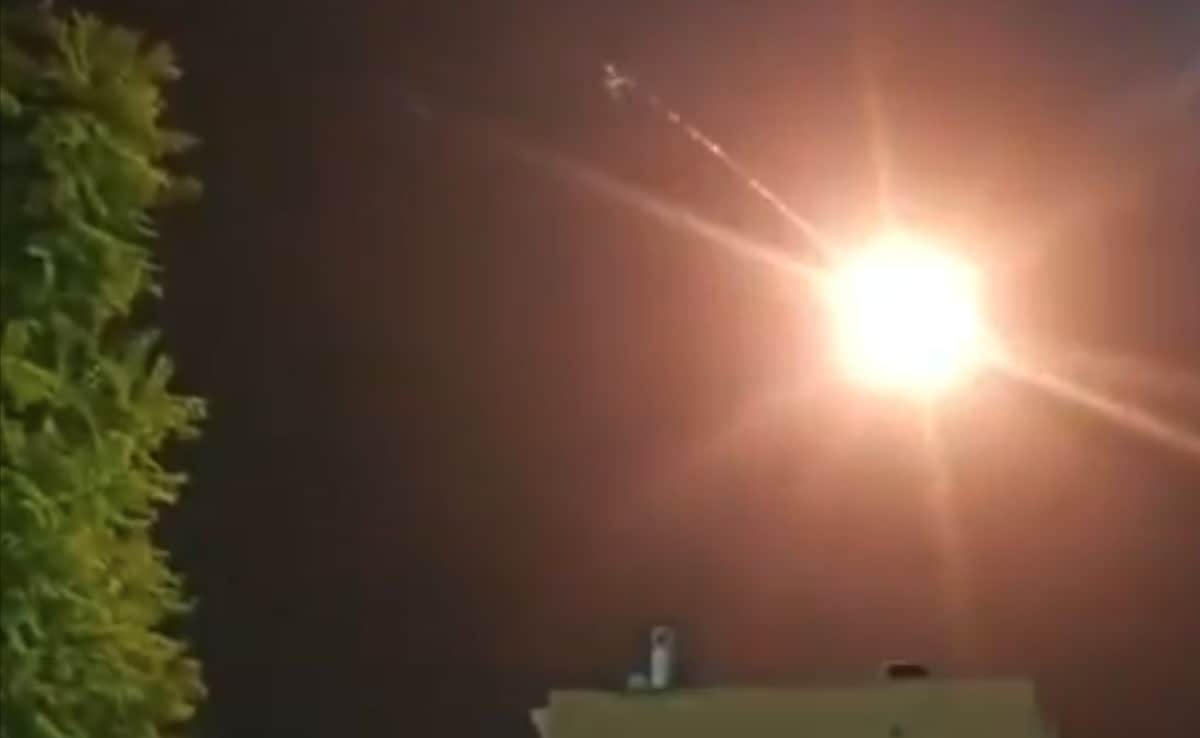
Sri Lanka is an island, but it is not an isolated one. We are tethered to the world by invisible, high-tension wires of oil and geopolitics. When a missile flashes across the sky over the Persian Gulf, the shockwave doesn't stop at the shoreline. It travels through the global markets, dips into the reserves of the central bank, and eventually empties the pockets of a man trying to drive a rickshaw in a tropical heatwave.
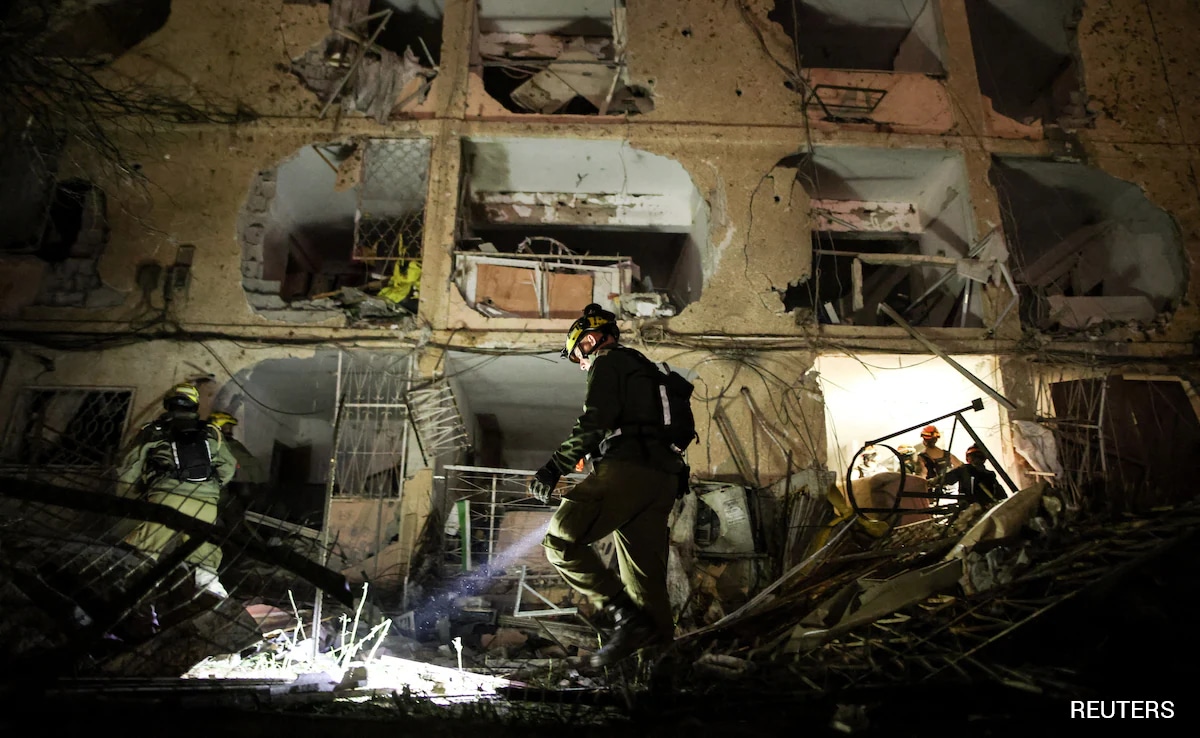
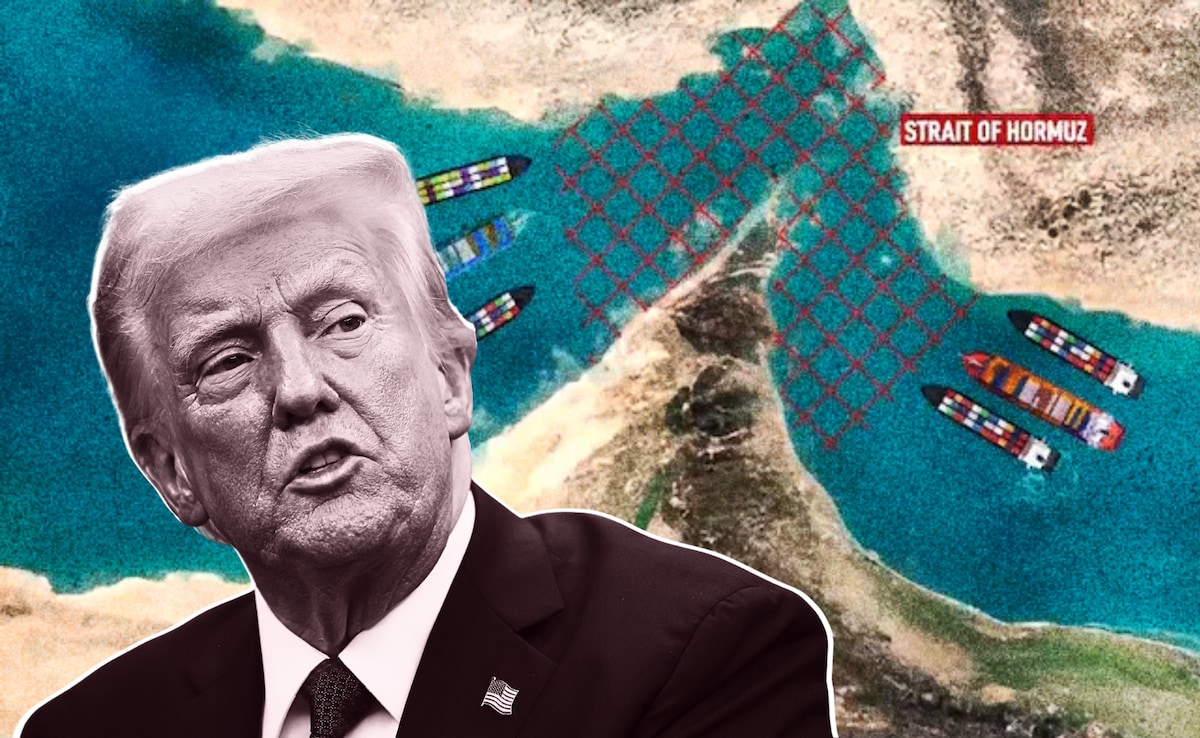
The escalation of the US-Israel conflict with Iran has turned the Indian Ocean into a corridor of uncertainty. Insurance premiums for tankers are skyrocketing. Shipping lanes that were once routine are now gauntlets. Iran’s influence over the Strait of Hormuz means that every time a diplomat raises their voice in a boardroom, the price of a liter of petrol in a village outside Kandy ticks upward.
It is a cruel irony of the modern age. A conflict fueled by decades of religious and territorial friction in the Middle East can effectively ground a fisherman in Negombo. He has no stake in the war. He may not even know the names of the generals involved. Yet, he pays the "war tax" every time he pulls the starter cord on his outboard motor.
The Arithmetic of Despair
Let’s look at the numbers, though numbers feel cold when people are sweating in queues.
A 25% increase is not an incremental adjustment. It is a structural collapse of a household budget. If a liter of petrol moved from 350 to nearly 440 rupees overnight, the ripple effect is instantaneous.
- The Transport Tax: Everything in Sri Lanka moves by road. The carrots from the central highlands, the cement for the new apartments, the workers heading to the garment factories. When fuel goes up, the price of a vegetable curry at a roadside stall goes up an hour later.
- The Power Gap: Sri Lanka relies heavily on thermal power when the rains don't fill the reservoirs. Higher fuel costs mean the threat of rolling blackouts returns like a recurring fever.
- The Currency Trap: To buy oil, the government needs US dollars. As the war in the Middle East drives oil prices toward $100 a barrel, the demand for dollars intensifies. This puts immense pressure on the Sri Lankan Rupee, threatening to trigger the kind of inflation that saw people trading gold jewelry for gas cylinders just a few years ago.
Arjun calculates his day while he waits. He used to take home 3,000 rupees after fuel. Now, even if he finds enough passengers, he might clear 1,800.
"The math doesn't work," he says, lighting a cigarette. He doesn't look angry. He looks tired. "You can't charge the passengers 25% more. They don't have it. They’ll just walk. So, I eat the cost. I am the one who shrinks."
Why This Time Feels Different
We have been here before. In 2022, the island groaned under the weight of an economic meltdown that saw presidents flee and protesters swim in palace pools. There was a sense of "never again." The recovery since then has been fragile, a thin scab over a deep wound.
This price hike feels different because it isn't just about internal mismanagement. It’s about a world that has become volatile and unpredictable. During the previous crisis, the enemy was visible: debt, corruption, and bad policy. Today, the enemy is a drone swarm over a desert thousands of miles away. It feels harder to fight a ghost.
The government argues that they have no choice. To keep the IMF's lifeline intact, they cannot subsidize fuel. They must pass the cost to the consumer to keep the national ledger balanced. It is a logical, necessary, and utterly heartless reality. You cannot pay for yesterday’s mistakes with money you don't have today.
The Invisible Stakes
The real cost of a 25% fuel hike isn't found in the GDP reports. It’s found in the choices made behind closed doors.
It’s the student who stops attending university because the bus fare doubled. It’s the small business owner who decides not to hire a second assistant. It’s the father who decides that his chest pain isn't "that bad" because the tuk-tuk ride to the hospital is now a luxury.
We often talk about "resilience" when we discuss developing nations. We praise the "spirit" of people who endure. But resilience is often just a polite word for having no other option. When you are pushed to the brink, you don't "bounce back"—you just learn how to breathe underwater.
The US-Israel-Iran triad is a chess game played with lives as pawns. For the West, it’s a matter of strategic interests and regional stability. For the Middle East, it’s a matter of sovereignty and survival. For Sri Lanka, it’s a reminder that we are small, we are thirsty, and we are at the mercy of the tide.
The Engine Stops
By 10:00 AM, the sun is a hammer. The line has moved perhaps fifty meters. Arjun turns off his engine to save the last dregs of fuel in his tank. The silence that follows is heavy.
A woman walks past carrying a heavy bag of groceries. She stops to wipe her brow, looking at the line of vehicles. There is a brief moment where her eyes meet Arjun’s. There is no need for words. They both know the weight of the bag is lighter than it was last week, even though it cost her more.
This is the narrative of the 25%. It is not a headline. It is a slow, grinding erosion of the middle class and a plummet for the poor. It is the sound of a thousand small engines falling silent because the cost of keeping them running has become a burden too heavy to bear.
As the pump finally comes into view, Arjun reaches for his wallet. He checks the notes one last time. He will fill the tank, he will drive back into the heat, and he will hope that tomorrow, the world stays quiet enough for him to earn his living.
The fuse is long, stretching from the bunkers of the Middle East to the streets of Colombo. And today, it just burned a little closer to the powder keg.
The pump clicks. The price on the digital display spins faster than the liters. Arjun pays, climbs into his seat, and pulls the cord. The engine sputters, then roars. It is a fragile sound in a very loud world.