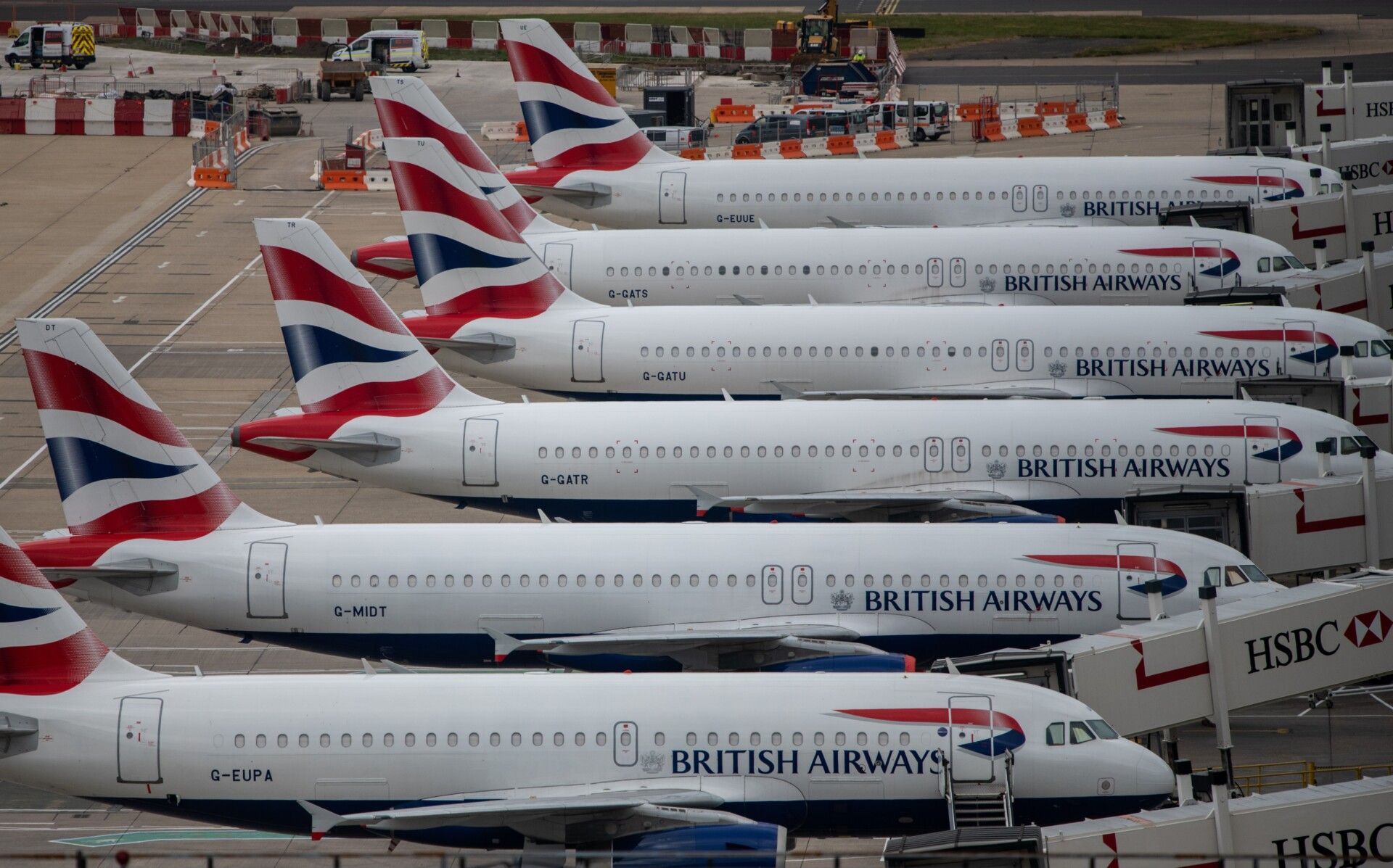
British Airways is betting that cash is the best way to clean up its carbon footprint. The airline recently rolled out a new incentive program designed to reward pilots for saving fuel. It sounds simple on paper. If a pilot finds a way to burn less kerosene, they get a slice of the savings. But in the high-stakes world of commercial aviation, nothing is ever truly simple.
Airlines are desperate. Fuel costs are high and the pressure to meet "Net Zero" targets is even higher. While the industry waits for enough Sustainable Aviation Fuel (SAF) to actually exist at a reasonable price, they have to find efficiency wherever they can. That means looking at the people in the cockpit.
The math behind the nudge
Modern jets like the Airbus A350 or the Boeing 787 Dreamliner are already incredibly efficient. Engineers have squeezed almost every drop of performance out of the airframes. The variable that remains is the human factor. How a pilot manages a descent or how much extra "contingency" fuel they decide to carry makes a massive difference across thousands of flights.
British Airways isn't just asking for favors. They're offering a financial "thank you" for hitting specific efficiency targets. This isn't about cutting corners on safety—that’s the first thing everyone asks. It’s about precision. If you can glide into Heathrow with a continuous descent instead of a stepped approach, you save hundreds of pounds of fuel. Multiply that by a massive fleet, and the numbers get big fast.
Why pilots carry extra weight
Pilots are notoriously conservative when it comes to fuel. You can’t exactly pull over at a gas station at 35,000 feet. Traditionally, many captains add a bit of "discretionary fuel" on top of what the flight computer suggests. Maybe there’s a storm brewing over the English Channel, or perhaps they expect a long holding pattern over London.
That extra fuel has weight. Carrying weight requires burning more fuel. It’s a bit of a circular problem. If a pilot carries an extra ton of fuel "just in case" and doesn't use it, they’ve burned a portion of that ton just to haul it across the Atlantic.
The new British Airways scheme encourages pilots to trust the data more and their gut less. By using sophisticated software that predicts landing delays and weather patterns with high accuracy, the airline wants pilots to feel comfortable taking less "insurance" fuel.
The tension between efficiency and operation
Not everyone thinks paying for fuel savings is a great idea. Some industry veterans argue that it creates a subtle pressure. If a pilot knows their bonus depends on hitting a target, will they be less likely to divert when the weather gets sketchy?
The British Airline Pilots Association (BALPA) keeps a very close eye on these things. Safety is always the non-negotiable wall. BA insists that the incentives only apply to "operational efficiencies" that don't compromise the captain's authority.
Basically, the airline is trying to gamify the cockpit. They want pilots to treat fuel like it’s coming out of their own pocket. For a company like IAG, the parent company of BA, even a 1% or 2% shift in fuel efficiency represents millions of pounds added back to the bottom line.
What this means for your ticket price
Don't expect your flight to New York to suddenly get cheaper because the pilot was efficient. These savings are mostly about staying afloat. The aviation industry is facing a massive bill for the transition to greener energy. SAF is currently three to five times more expensive than traditional jet fuel.
Every penny saved on a more efficient landing is a penny that goes toward buying the expensive "green" fuel required by new government mandates. It's a survival tactic.
Small changes that add up
- Single-engine taxiing: Using only one engine to get from the gate to the runway.
- Continuous Descent Operations (CDO): Avoiding the "level off and power up" style of landing.
- Reduced Flap Landings: Using less drag when the runway length allows it.
- Optimized Flight Paths: Working with Air Traffic Control to shave miles off a route.
These aren't new tricks. Pilots have known them for decades. The difference now is the data. BA is using tools that give pilots a "debrief" after every flight, showing them exactly where they could have saved a few kilograms of fuel.
The bigger picture of airline survival
The timing of this program isn't accidental. The aviation sector is under fire from environmental groups and regulators alike. Schemes like this are a way for BA to show they’re taking action today, rather than just promising things for 2050.
It’s also a hedge against volatility. The geopolitical situation in 2026 remains unpredictable, and fuel prices can spike in an afternoon. An airline that has "trained" its staff to be hyper-efficient is more resilient than one that just lets the fuel burn.
If you're a passenger, you won't feel the difference. The plane won't shake more, and the coffee won't get colder. But the person at the front of the plane is now watching the fuel flow meter with a lot more intensity. It’s a shift from flying "by the book" to flying with a business mindset.
Check the flight stats next time you fly. Many airlines now offer apps or in-flight entertainment screens that show your carbon offset or fuel efficiency for that specific trip. If your pilot is part of a reward scheme, you might just see those numbers start to creep down.
Watch for other carriers to follow suit. Lufthansa and Air France-KLM have already toyed with similar data-driven feedback loops. The era of the "heavy" fuel load is ending, replaced by a world where every kilogram is tracked, taxed, and, if saved, rewarded.