The belt moves. It is a rhythmic, mechanical hum that defines the terminal. Gray bins slide across rollers, carrying the discarded fragments of civilian life: leather belts, loose change, half-empty water bottles, and shoes that have walked through cities the TSA officers will never visit this year.
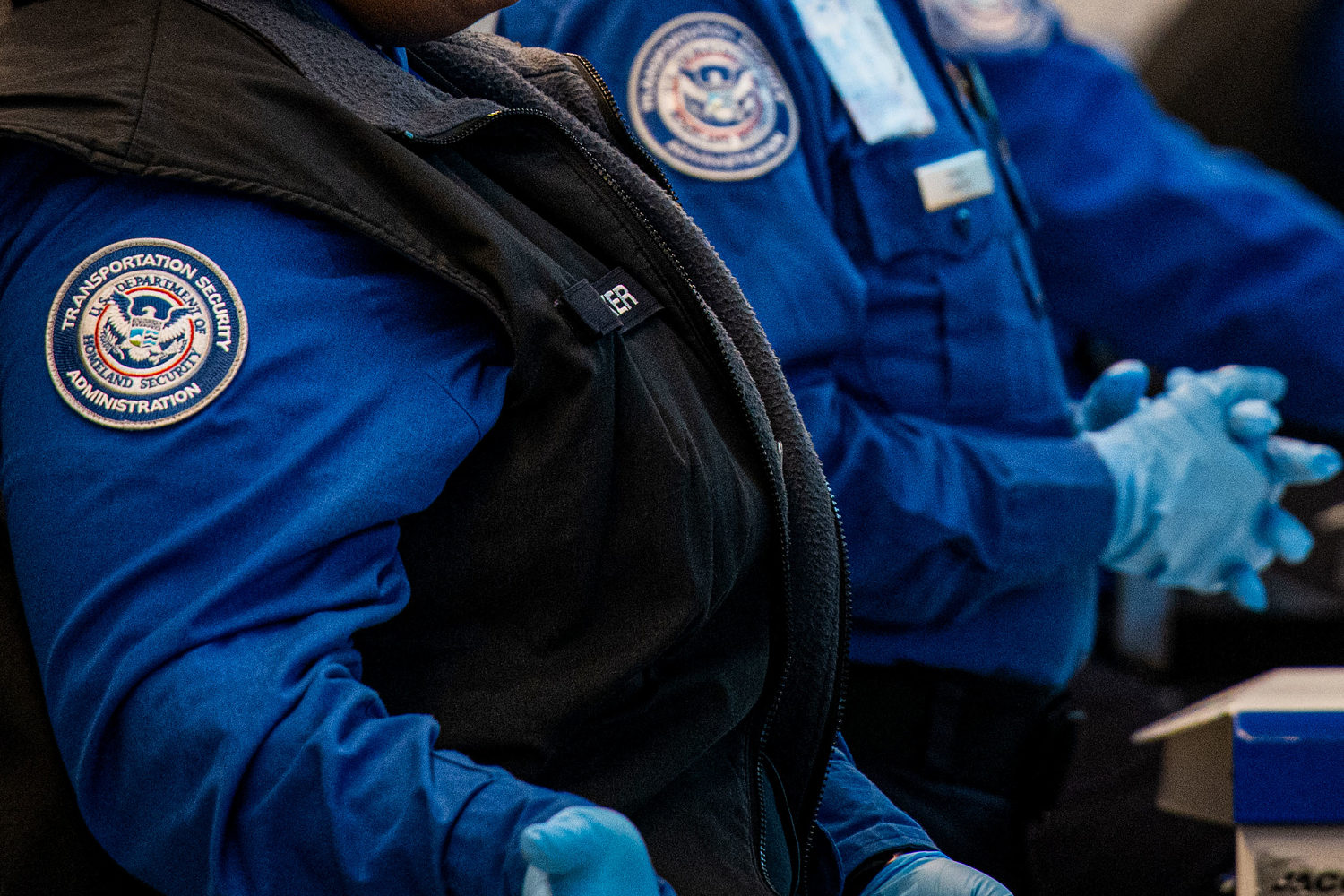
Marcus stands at the end of lane four. His posture is perfect. His uniform is pressed. To the vacationer rushing to catch a 9:00 AM flight to Orlando, Marcus is the face of federal authority. He is the barrier between the mundane and the secure. But under the polyester blend of his navy shirt, Marcus is vibrating with a hunger that has nothing to do with a missed lunch break.
It has been thirty-one days since his last paycheck cleared.
The federal government is shuttered, locked in a stalemate three hundred miles away in D.C., but the checkpoints stay open. Safety, we are told, is non-negotiable. It is an essential service. Apparently, the rent is not.
The Math of Survival
When you work for the federal government, there is a certain quiet pride in the stability of the grind. You trade the high-ceiling potential of the private sector for the floor of a guaranteed life. But when that floor drops out, the fall is silent.
Marcus isn't a hypothetical. He is the composite of ten thousand men and women currently staring at banking apps that show balances in the low double digits. Consider the arithmetic of a mid-level TSA agent. After taxes, health insurance, and retirement contributions, the take-home pay for many lingers around $500 to $700 a week.
In a city like Chicago or Atlanta, that money is spoken for before it even hits the account. It belongs to the landlord. It belongs to the electric company. It belongs to the daycare center that doesn't accept "government IOUs" as a valid form of payment.
By week three of the shutdown, the pantry becomes a map of desperation. You start with the name brands. Then the store brands. Then you are looking at a box of pasta and a single can of chickpeas, wondering if you can stretch it across three nights if you just drink enough water to trick your stomach into feeling heavy.
The Performance of Authority
There is a specific psychological toll that comes with being an unpaid authority figure. Marcus has to pat down a man wearing a watch that costs more than Marcus’s annual salary. He has to maintain a professional, stoic demeanor while his phone vibrates in his pocket with a third "Final Notice" from the utility company.
He is protecting the sky while losing his grip on the ground.
The irony is thick enough to choke on. We ask these people to be our front line of defense against global terror. We entrust them with the detection of sophisticated threats, requiring high levels of cognitive focus and emotional intelligence. Yet, we expect them to perform these tasks while their brains are clouded by the cortisol of poverty.
A person who hasn't eaten a real meal in twenty-four hours is not a person who is operating at peak vigilance. They are a person looking for a way out.
The Community of the Stranded
Across the country, the breakrooms of our nation's airports have transformed. They used to be places for quick coffee and complaints about the weather. Now, they are makeshift distribution centers.
In a terminal in Houston, a plastic folding table sits tucked behind a vending machine. It’s covered in boxes of generic cereal, jars of peanut butter, and bags of rice. This isn't a charity drive organized by a local church—though those exist too. This is an internal survival network. Officers who have a little extra in their cupboards are bringing it in for the officers who have nothing.
"I saw a supervisor slip a twenty-dollar bill into a rookie’s locker," Marcus says, his voice dropping. "He didn't say anything. He just did it because he knew the kid was walking three miles to work because he couldn't afford the gas for his car."
This is the invisible stake of the shutdown. It isn't just about the delay in the "realm" of politics; it is the erosion of dignity. When a federal officer has to choose between buying a gallon of milk for his daughter and putting enough gas in the tank to get to the shift where he works for free, the system hasn't just paused. It has broken.
The Fragility of the Line
We often think of national security as a series of high-tech scanners, biometric databases, and hardened cockpit doors. We forget that the most critical component is the human being standing in the terminal at 4:30 AM.
If Marcus quits—and many are quitting—the system doesn't just slow down. It thins out. Training a new officer takes time and taxpayer money. When a seasoned veteran walks away because they can’t afford to be a patriot for free anymore, we lose years of instinct. We lose the "spidey-sense" that catches the anomaly in the X-ray.
The morale isn't just low; it’s nonexistent. It’s hard to feel like a guardian of the republic when the republic won't even cover your grocery bill.
"People see the uniform and they think 'The Government,'" Marcus says, watching a young family rush toward their gate. "They don't see the guy who’s wondering if his car will be in the driveway when he gets home tonight, or if the repo man got there first."
The line at the checkpoint grows longer. A traveler huffs in frustration, checking their watch, complaining about the wait. They don't know that the woman checking their ID skipped breakfast so her son could have the last of the yogurt. They don't know that the man searching their bag is calculating the exact number of miles he can drive on "Empty" before the engine dies.
The belt keeps moving. The bins keep sliding. The gray plastic containers hold the belongings of a world that is still functioning, still traveling, still buying, and still eating. On the other side of the scanner, the people in blue continue to watch, continue to wait, and continue to disappear into the quiet, hollow space where a paycheck used to be.
Marcus reaches for the next bin. His hands are steady, but his eyes are tired. He clears the traveler through, a ghost in a pressed shirt, guarding a country that has currently forgotten he exists.
Would you like me to research the specific financial assistance programs currently available to federal employees during active shutdowns?