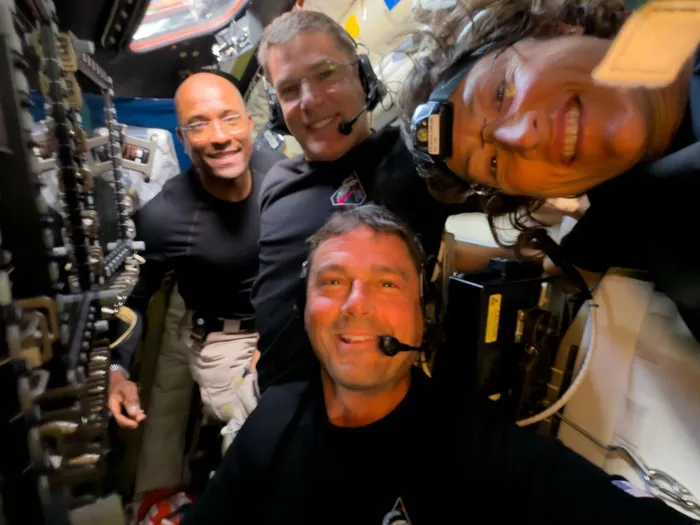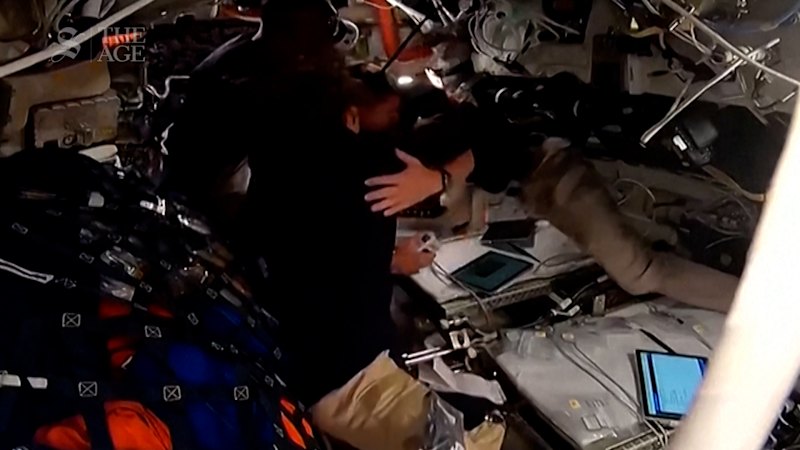
Public relations is the oxygen of the modern space program. Without it, the funding dries up and the rockets stay on the dirt. The recent media frenzy surrounding the Artemis II crew—specifically their tribute to a fellow astronaut’s late wife—is a masterclass in emotional engineering. It’s also a distraction from the cold, hard engineering and geopolitical stakes that actually matter.
We’ve seen this script before. The legacy media latches onto a human-interest angle because explaining orbital mechanics or the terrifying fragility of the Heat Shield Spectrometer is too difficult for a thirty-second news cycle. They want you to feel. They don’t want you to think.
The "lazy consensus" here is that these gestures are the "heart" of space exploration. They aren't. They are the brand management of a multi-billion dollar government entity trying to remain relevant in a world where private industry is moving faster, failing faster, and innovating without the need for a curated emotional narrative.
The Sentimentality Subsidy
NASA operates under a unique burden. Unlike SpaceX, which can explode a dozen Starship prototypes and call it "data collection," NASA exists in a fishbowl of public perception. Every dollar spent on Artemis II is a dollar the American public has to believe is being used for something "meaningful."
When the crew honors a family member or participates in a solemn memorial, it serves a specific function: it humanizes an endeavor that is inherently dehumanizing. Space is a vacuum. It is radiation. It is a series of brutal mathematical equations that do not care about your feelings. By leaning into the "human element," the agency builds a shield against the inevitable delays and budget overruns that plague the SLS (Space Launch System) program.
If you are busy crying over a tribute, you aren't asking why the Orion capsule’s heat shield charred unexpectedly during Artemis I. You aren't questioning the $2 billion per-launch price tag. You are bought into the story.
The Myth of the Hero Astronaut
The competitor articles love the "Hero" archetype. They paint the Artemis II crew—Reid Wiseman, Victor Glover, Christina Koch, and Jeremy Hansen—as modern-day gods descending to offer comfort to the grieving.
Let’s be real. These are highly trained technicians. They are pilots and scientists. They are also employees of a massive bureaucracy. To frame their personal interactions as a "pivotal moment for humanity" (to use the kind of fluff I despise) is to ignore the reality of professional camaraderie.
I’ve spent years analyzing aerospace contracts and defense spending. In that world, sentimentality is a luxury. If a pilot on a carrier deck honors a fallen comrade, it’s a private act of respect. When NASA does it, it’s a press release. The distinction is vital. One is authentic; the other is tactical.
The Real Technical Debt
While the media focuses on the crew’s empathy, the actual mission of Artemis II is a "High Earth Orbit" maneuver that hasn't been performed with humans in over half a century. We are essentially relearning how to leave the backyard.
Consider the technical hurdles that aren't getting "human interest" headlines:
- Radiation Protection: The Van Allen belts aren't just a line on a map. Passing through them requires shielding that adds weight, which in turn requires more fuel.
- Life Support Redundancy: On the ISS, you can evacuate in a Soyuz or Dragon and be home in hours. On a lunar flyby, you are days away. If the scrubbers fail, no amount of emotional tributes will save the crew.
- Communication Latency: Artemis II will test the Deep Space Network’s ability to handle high-bandwidth data from a moving target at lunar distances.
These are the things that keep flight directors awake at night. These are the things that actually determine the success of the mission.
The False Dichotomy of "Old Space" vs. "New Space"
The narrative often pits the "soulful" NASA against the "soulless" private sector. The argument goes: "NASA cares about the human spirit; Elon just wants to colonize Mars for profit."
This is a fundamental misunderstanding of the industry. The private sector is obsessed with the human element—specifically, how to keep humans alive long enough to make the mission profitable. Efficiency is the ultimate form of respect for human life.
NASA’s reliance on emotional storytelling is a symptom of its inability to compete on pure speed and cost-effectiveness. When you can’t show a rocket landing itself every week, you show a crew member being a nice person. It’s a compensatory mechanism.
The Ethics of the Emotional Payload
There is something slightly predatory about the way the media uses an astronaut’s personal grief to sell a mission. The tribute mentioned in the competitor’s fluff piece was a private moment between colleagues that was turned into a public spectacle.
Does this help the mission? No.
Does it help the grieving family? Perhaps.
Does it help the NASA budget? Absolutely.
We have reached a point where the "story" of the mission is more important than the mission itself. This is a dangerous trajectory. When the focus shifts from the integrity of the hardware to the likability of the software (the people), we lose the objective rigor required for deep space exploration.
The Logic of the Lunar Flyby
People also ask: "Why are we just flying around the moon? Why aren't we landing?"
The honest, brutal answer is that we aren't ready. The HLS (Human Landing System) isn't ready. The suits aren't ready. Artemis II is a dress rehearsal for a play that hasn't finished being written.
If we were being honest, we would admit that Artemis II is a $4 billion flight test. But you can't sell a $4 billion flight test to a taxpayer who is struggling with inflation. So, you sell the "human journey." You sell the tributes. You sell the tears.
High Stakes, Low Transparency
The true cost of the Artemis program is shielded by a complex web of subcontractors and "cost-plus" contracts. By keeping the conversation centered on the astronauts' personalities, the agency avoids a deeper audit of why the SLS is years behind schedule.
The "contrarian" take isn't that the crew shouldn't be empathetic. It’s that we, the public, should be disciplined enough to see through the empathy. We should be demanding better data on the Orion's life support systems instead of more photos of the crew at memorial services.
The Problem with "Inspiration"
Inspiration is a poor substitute for innovation. The Apollo era wasn't successful because it was "inspiring"; it was successful because it was a geopolitical necessity backed by 4% of the federal budget and a willingness to accept massive risk.
Today, we want the inspiration without the risk. We want the heroes without the hardware.
If Artemis II fails, it won't be because the crew didn't care enough. It will be because a seal failed, or a software bug triggered an abort, or a solar flare cooked the avionics.
The Engineering of Empathy
If you want to truly honor the people who have sacrificed for the space program, you don't do it with a photo op. You do it by building a rocket that doesn't cost $2 billion per launch. You do it by creating a sustainable infrastructure that makes lunar travel routine rather than a once-in-a-generation miracle.
The Artemis II crew are professionals. They deserve better than to be used as props in a sentimentality play. They deserve a mission that is judged by its telemetry, not its TikTok engagement.
Stop falling for the emotional bait. Look at the thrust-to-weight ratios. Look at the heat shield erosion data. Look at the budget.
Space is not a place for "honoring." It is a place for surviving.
Keep your eyes on the hardware. The rest is just noise designed to make you look away while the bill is being signed.