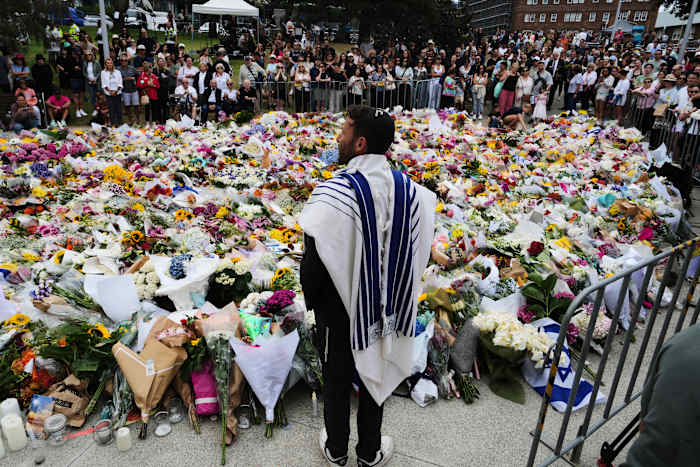
The numbers coming out of the latest global studies on antisemitism aren't just a wake-up call. They’re a siren. If you’ve felt like the world got significantly more dangerous for Jewish communities over the last year, you’re right. New data confirms that 2025 saw the highest number of deaths from antisemitic attacks in thirty years. We aren't talking about a slight uptick in graffiti or mean tweets. We’re looking at a violent, physical surge that has turned fatal at a rate we haven't seen since the mid-1990s.
It’s easy to get lost in the spreadsheets. But these aren't just data points. These are lives lost in synagogues, schools, and on the streets of supposedly safe cities. The 2025 report from the Center for the Study of Contemporary European Jewry, along with data from the Anti-Defamation League (ADL), paints a grim picture. It shows that the "new normal" is actually a regression to a much darker era.
The Grim Statistics Behind the 2025 Surge
Last year wasn't just bad. It was historic for all the wrong reasons. Experts tracking these trends noticed that while the volume of incidents has been climbing for a decade, the lethality of those incidents spiked in 2025. This wasn't a localized issue. It spanned from North America to Western Europe and into parts of South America.
The total death toll in 2025 exceeded any year since 1994, the year of the AMIA bombing in Buenos Aires. Why now? It’s a mix of geopolitical tension and the total collapse of digital gatekeeping. Radicalization happens in weeks, not years. You’ve seen it happen. Someone spends too much time in the wrong corner of the internet and suddenly they're convinced that a specific group is the root of all their problems. In 2025, that radicalization turned into coordinated, lethal action.
The report highlights that the majority of these fatal attacks were carried out by individuals or small cells inspired by "accelerationist" ideologies. These groups don't just want to protest. They want to collapse society through violence. They view Jewish targets as the primary hurdle to their goals. It’s a messy, dangerous cocktail of old-school hatred and modern, high-speed extremism.
Geography of Hate and Where the Danger Lies
You might think these attacks are confined to active war zones. They aren't. In fact, a significant portion of the lethal violence in 2025 occurred in major metropolitan hubs like Paris, London, and New York. This tells us that the "safe havens" aren't as secure as we’d like to believe.
France continues to be a massive hotspot. Despite heavy security at Jewish schools and community centers, attackers shifted to "soft targets"—individuals walking home or small businesses with little to no protection. The randomness of it is what's truly terrifying. It creates a constant state of low-level dread.
In the United States, the situation has shifted toward armed confrontations. We saw a rise in attackers using high-capacity firearms in public spaces. These aren't impulsive acts of rage. They’re planned executions. The ADL’s 2025 audit suggests that the blurring of lines between far-right and far-left rhetoric has created a "pincer effect" on Jewish security. Both sides of the political spectrum are using similar tropes, which validates the extremists on the fringes.
How the Internet Accelerated the Kill Chain
Social media didn't cause the 2025 death toll, but it definitely built the infrastructure. Algorithms are designed to keep you engaged. If hate keeps you clicking, the algorithm serves up more hate. By 2025, the moderation systems on major platforms essentially gave up. We saw the rise of unmoderated "free speech" platforms that became staging grounds for real-world violence.
I’ve watched how these narratives spread. It starts with a meme. Then a "documentary." Then a call to action. In 2025, the speed from "digital post" to "physical attack" reached a breaking point. Intelligence agencies struggled to keep up because the chatter was so decentralized. There’s no central "HQ" to raid when everyone is radicalizing themselves in their bedrooms.
The data shows a terrifying correlation. In regions where antisemitic hashtags trended for more than 48 hours, physical assaults rose by nearly 20% in the following week. It’s a direct pipeline. We can't keep pretending that what happens online stays online. The blood on the streets in 2025 is the physical manifestation of digital rot.
The Failure of Institutional Protection
Governments love to give speeches. They love to "condemn in the strongest possible terms." But if you’re a parent sending your kid to a Jewish day school, those words feel pretty empty right now. The 2025 study points to a massive failure in proactive policing. We’re reacting to tragedies instead of preventing them.
Law enforcement agencies are often trained to look for organized groups. They’re looking for the next big conspiracy. Meanwhile, the "lone actor" is the one doing the most damage. These individuals often leave a trail of red flags online, but because they aren't part of a known terrorist cell, they slip through the cracks.
Security at communal buildings has become a necessity, but it’s also a burden. It’s expensive. It’s psychologically taxing. And as we saw in 2025, it doesn't protect you when you’re just living your life outside those walls. The strategy needs to shift from "hardening targets" to "disrupting radicalization." We aren't doing enough of the latter.
Debunking the Lone Wolf Myth
We need to stop using the term "lone wolf." It’s misleading. These attackers might act alone, but they’re part of a massive, interconnected digital pack. They’re reading the same manifestos. They’re using the same tactical guides. They’re encouraged by the same influencers.
In 2025, several of the perpetrators had direct links to online forums where they shared their plans. Other users didn't report them. They cheered them on. They offered advice on weapons and timing. Calling them "lone wolves" makes it sound like an unpredictable act of nature. It isn't. It’s a predictable outcome of a toxic ecosystem.
When we label these people as isolated lunatics, we ignore the social infrastructure that produced them. The 2025 study makes it clear that these attacks were the result of a communal effort—even if only one person pulled the trigger.
What This Means for the Future of Jewish Life
The psychological impact of 2025 can't be overstated. When deaths hit a 30-year high, people start to question their future in certain countries. We’re seeing a significant rise in "security-driven migration." Families are moving not because they want to, but because they feel they have no choice.
This has a "hollowing out" effect on communities. When the most vulnerable members leave, the institutions start to crumble. Synagogues close. Schools merge. The vibrant cultural life that has existed in cities like Berlin or Antwerp for centuries is being threatened by a relentless wave of violence.
It’s not just about the numbers. It’s about the message the violence sends. It’s an attempt to make Jewish life unviable in the diaspora. If you can't walk to the grocery store without checking over your shoulder, the attackers have already won a partial victory.
Practical Steps to Counter the Rise in Violence
If we want 2026 to look different, we have to stop doing the same things that failed in 2025. This isn't just about more security guards. It’s about a total overhaul of how we handle hate-driven violence.
First, we need to hold platform owners personally and financially responsible for the violence their algorithms facilitate. If a car manufacturer makes a vehicle that explodes, they’re liable. If a social media platform builds an engine that drives people toward mass murder, they should face the same consequences. The era of "we’re just a platform" has to end.
Second, law enforcement needs better training on the nuances of modern antisemitism. This isn't always about swastikas. It’s often coded in "anti-Zionist" rhetoric that crosses the line into blood libel. Officers need to know what they’re looking at so they can identify threats before they turn lethal.
Finally, community resilience matters. This means more than just "standing together." It means better situational awareness training for everyone, not just security staff. It means building alliances with other minority groups who are facing similar threats from the same accelerationist circles.
Check your local community security initiatives. Support organizations like the Community Security Trust (CST) or the Secure Community Network (SCN). Don't wait for the next headline to get involved. The trend lines from 2025 are clear. Ignoring them won't make them go away. Demand better protection from your local representatives. Hold the tech companies accountable. Stay aware, stay informed, and don't let the statistics become a reason for apathy.