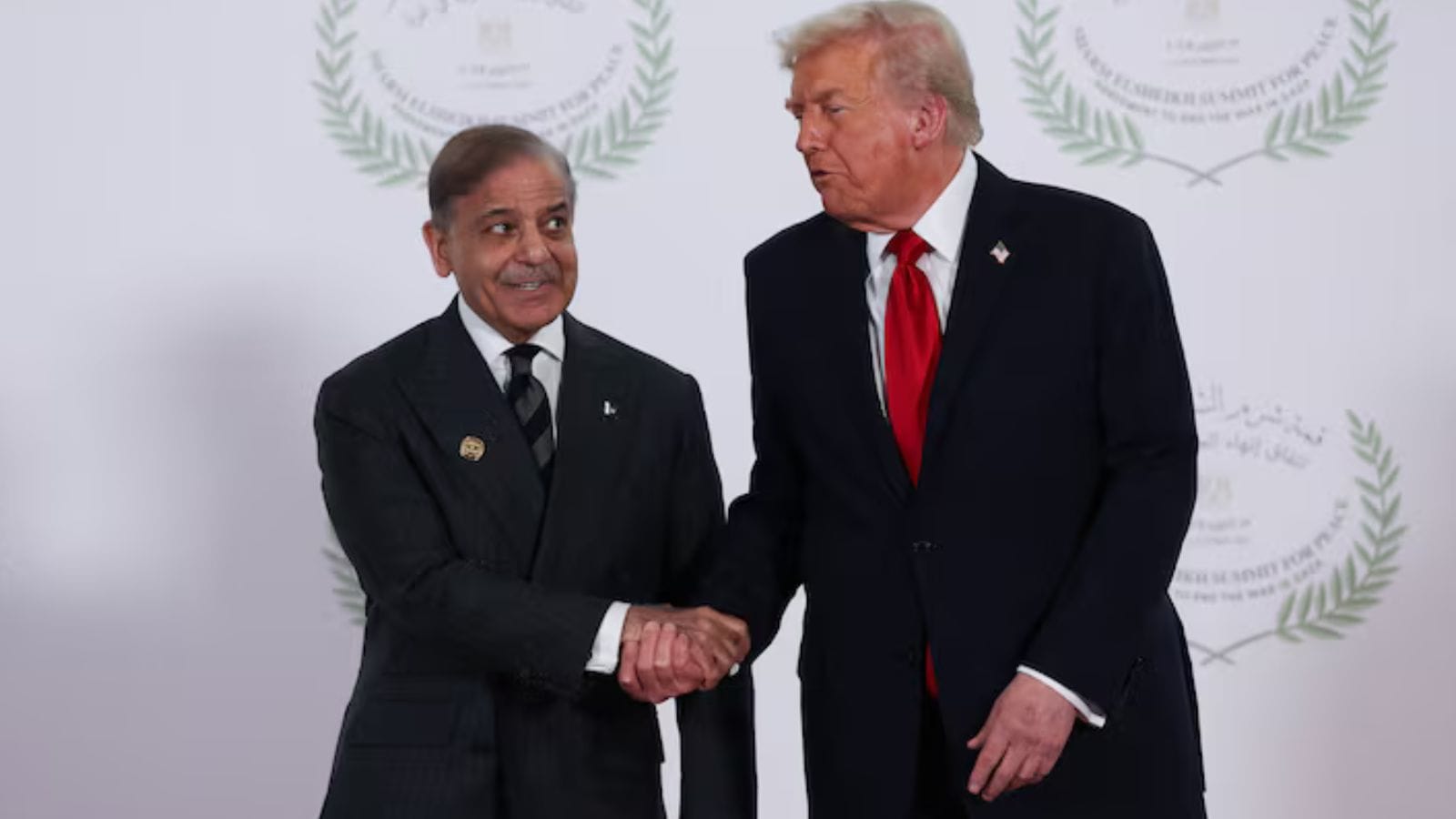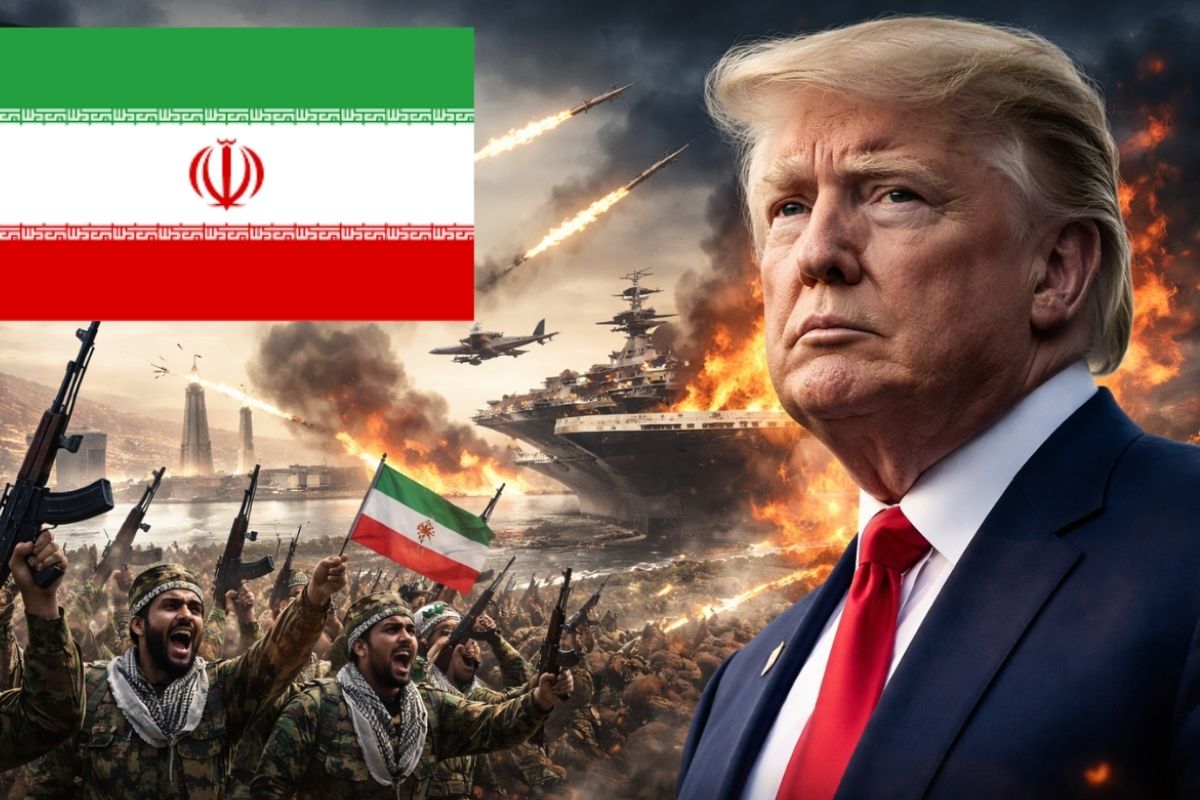
The headlines love a simple hero-villain arc. They paint a picture of a "Bahubali" America—a muscle-bound titan—shattering the confidence of the Iranian military with a single, calculated maneuver. It is a cinematic, comforting narrative for the West. It is also fundamentally wrong.
If you believe that a specific policy or a "move" by an administration "broke" the spirit of the Islamic Revolutionary Guard Corps (IRGC), you aren't watching the same chessboard I am. I have spent years tracking the intersection of electronic warfare and proxy logistics. The reality is far grittier. Iran isn't cowering because of a perceived loss of "faith" in their strength. They are evolving because the nature of the game changed, and most analysts are still playing by 1991 rules.
The Myth of the Broken Ego
The competitor narrative suggests that Iranian military confidence is a fragile glass ornament that shatters when faced with American "moves." This ignores forty years of institutionalized resistance. The IRGC does not operate on "confidence" or "belief" in American superiority. They operate on a doctrine of asymmetric attrition.
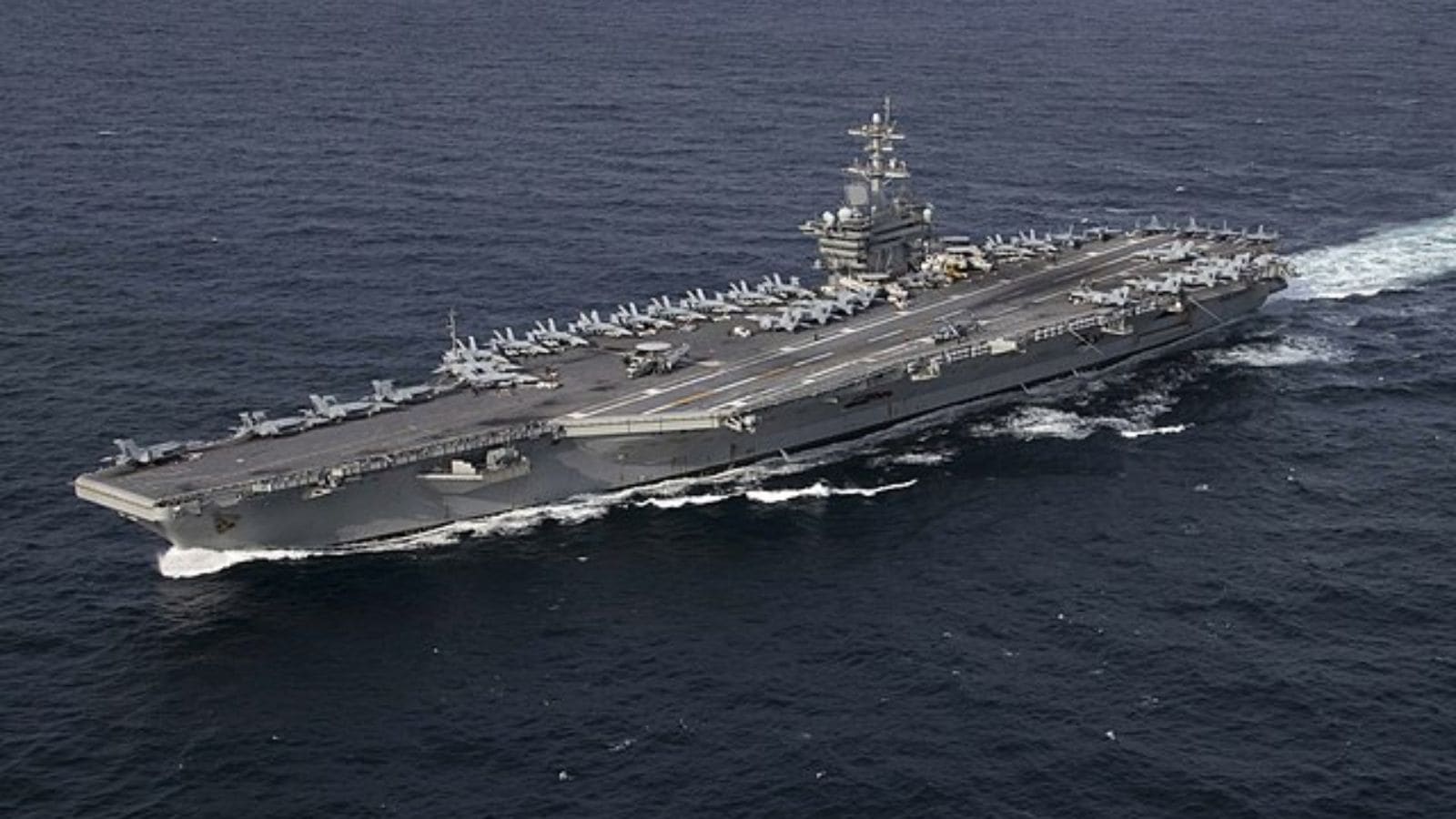
When the U.S. leans into its conventional "Bahubali" strength—carrier strike groups, heavy armor, high-altitude stealth—it actually plays into the Iranian strategy. They want the U.S. to commit to high-cost, high-visibility hardware. Why? Because a $2,000 suicide drone can disable a $100 million sensor array.
The "joke" isn't on Iran. The joke is on anyone who thinks a single political maneuver resets a decades-long regional strategy. Iran’s military isn't "broken." It is decentralized. It has shifted from a centralized command structure to a "mosaic defense" model.
In this model, losing a "Bahubali" face-off is irrelevant. The goal isn't to win the battle; it's to make the cost of staying in the theater higher than the American taxpayer is willing to pay.
Stop Asking if Iran is Scared
People often ask: "Is Iran afraid of U.S. military intervention?"
This is the wrong question. It assumes state actors feel emotion like a nervous teenager. Iran is a rational, cynical actor. They don't fear intervention; they calculate the probability of it.
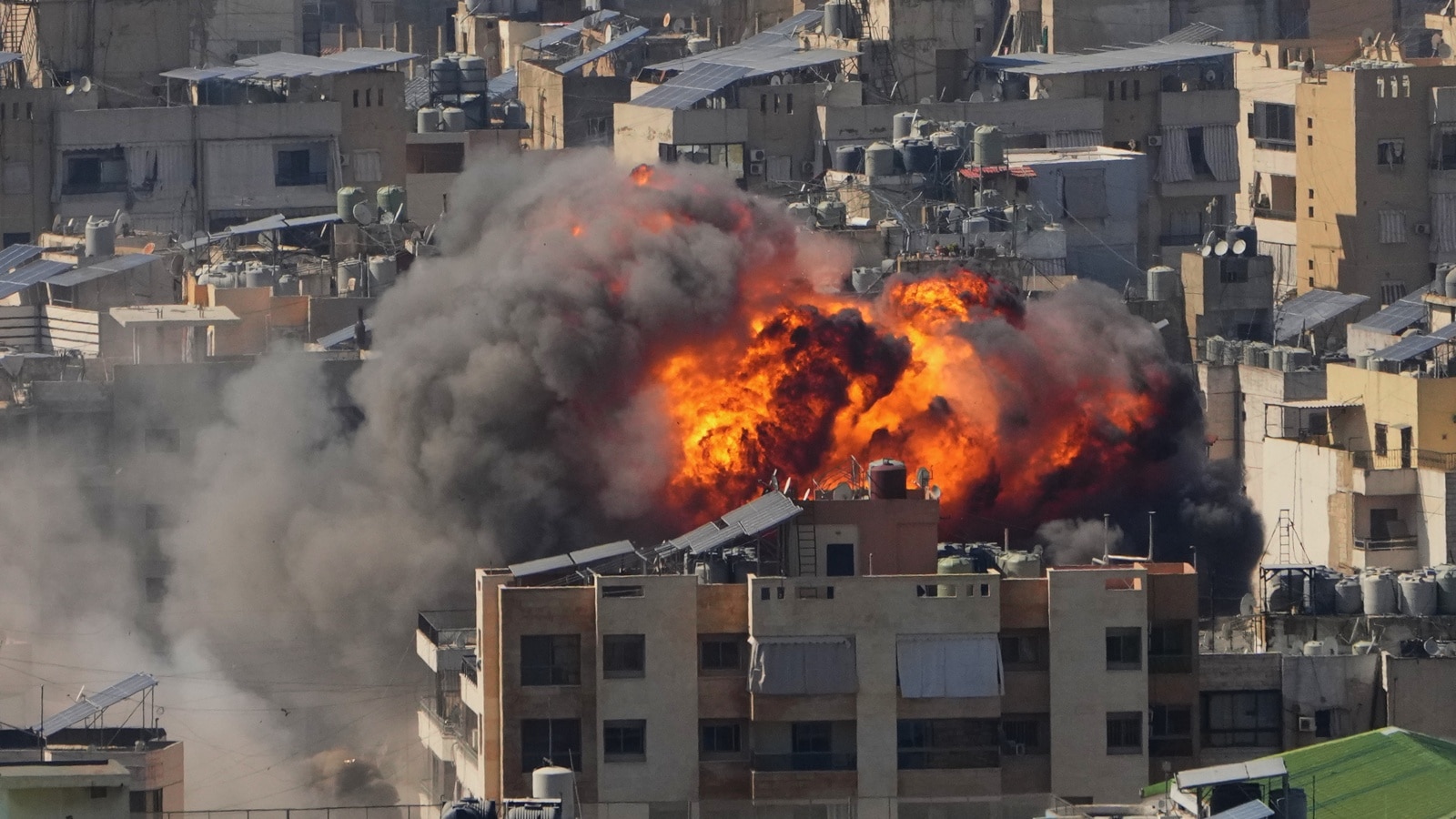
The "Bahubali" image of the U.S. is a distraction. The real shift isn't in Iranian confidence, but in the precision-strike regime. We are entering an era where satellite-guided munitions and AI-integrated SIGINT (Signals Intelligence) make traditional hiding spots obsolete. Iran knows this. They aren't "surprised" by it. They are currently subterranean, literally and figuratively.
The Failure of Conventional Sanctions
We’ve seen the "maximum pressure" playbook before. The "lazy consensus" says that if you squeeze the economy hard enough, the military collapses. I’ve watched this play out in multiple sectors, and the result is always the same: it creates a black-market military industrial complex.
By forcing Iran out of the global financial system, the U.S. inadvertently accelerated Iran’s self-sufficiency in missile tech and drone swarms.
- Supply Chain Insulation: They built a localized supply chain that doesn't care about the New York Stock Exchange.
- Reverse Engineering: Every "high-tech" piece of debris captured becomes a blueprint for a cheaper, "good enough" version.
- Proxy Wealth: The IRGC controls huge swaths of the Iranian economy. Sanctions often just kill their civilian competition, leaving the military as the only solvent entity left.
The Electronic Warfare Blind Spot
While the media focuses on the "machismo" of different leaders, the real war is happening in the electromagnetic spectrum.
$$f = \frac{c}{\lambda}$$
This isn't just a physics formula; it’s the bottleneck of modern warfare. If you can’t control the frequency, your "Bahubali" strength is useless. Iran has invested heavily in GPS spoofing and jamming. They proved this years ago when they brought down a RQ-170 Sentinel drone.
The "shattered confidence" narrative falls apart when you realize Iran is successfully exporting this low-cost, high-impact tech to every corner of the globe. They aren't a broken military; they are a disruptive startup in the global arms market. They are the "budget" option that is starting to outperform the "enterprise" legacy players.
The Danger of Underestimation
The most dangerous thing a superpower can do is believe its own press releases. When we say "Iran's confidence is broken," we stop looking for their next innovation. We assume they are paralyzed.
They aren't. They are pivoting.
- Cyber Dominance: They have moved from basic DDoS attacks to sophisticated infrastructure penetration.
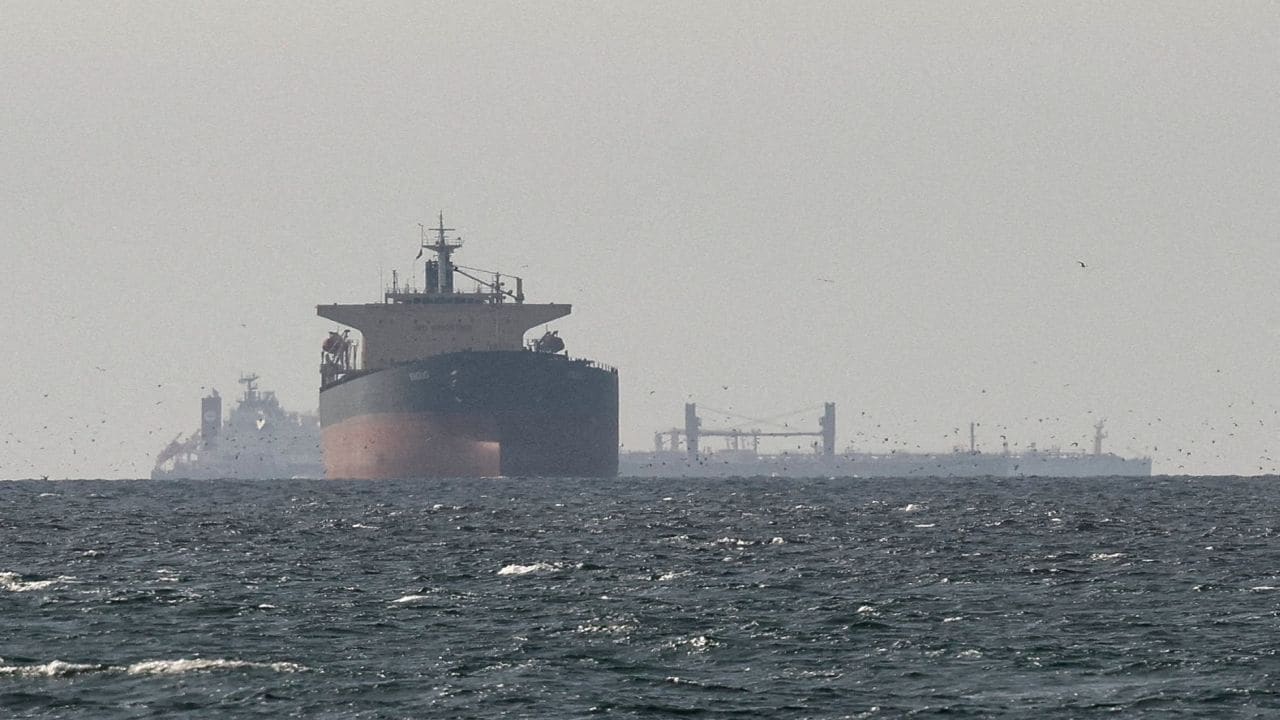
- Maritime Harassment: They don't need a Navy. They need a thousand fast-attack boats and sea mines.
- Information Operations: They are using the "American Bahubali" narrative against the U.S., framing themselves as the underdog to gain sympathy in the Global South.
The Intelligence Trap
I’ve seen intelligence communities fall into the "mirror imaging" trap. We assume that because we would be intimidated by a certain move, they must be too. But the IRGC’s value system is built on martyrdom and long-term ideological survival, not quarterly "wins" or approval ratings.
The "move" that supposedly broke them was likely factored into their 20-year plan. They expect escalation. They thrive in the gray zone—the space between "total peace" and "total war."
If you want to actually "break" a military like Iran’s, you don't do it with a show of force. You do it by making their asymmetric advantages obsolete. You do it by out-innovating them in the drone space and by securing the electromagnetic spectrum so thoroughly that their "cheap" solutions stop working.
The Harsh Reality of 2026
The status quo is obsessed with who looks "stronger." In the 2026 landscape, strength is defined by resilience and adaptability, not by who has the biggest chest-thumping headlines.
The U.S. is still the most powerful military force in history. But being the biggest guy in the room doesn't matter if the other guy is small enough to crawl through the vents and cut the power.
We need to stop talking about "broken confidence" and start talking about technological displacement. Iran isn't losing heart; they are changing the rules of the engagement. If we keep pretending they are "shattered," we will be the ones caught off guard when the next disruption hits.
The "Bahubali" era of warfare—where one big hero solves everything with a single punch—is dead. Welcome to the era of the swarm.
Shut down the ego. Look at the data. The board hasn't been cleared; the pieces have just gone invisible.