The Invisible Frontier
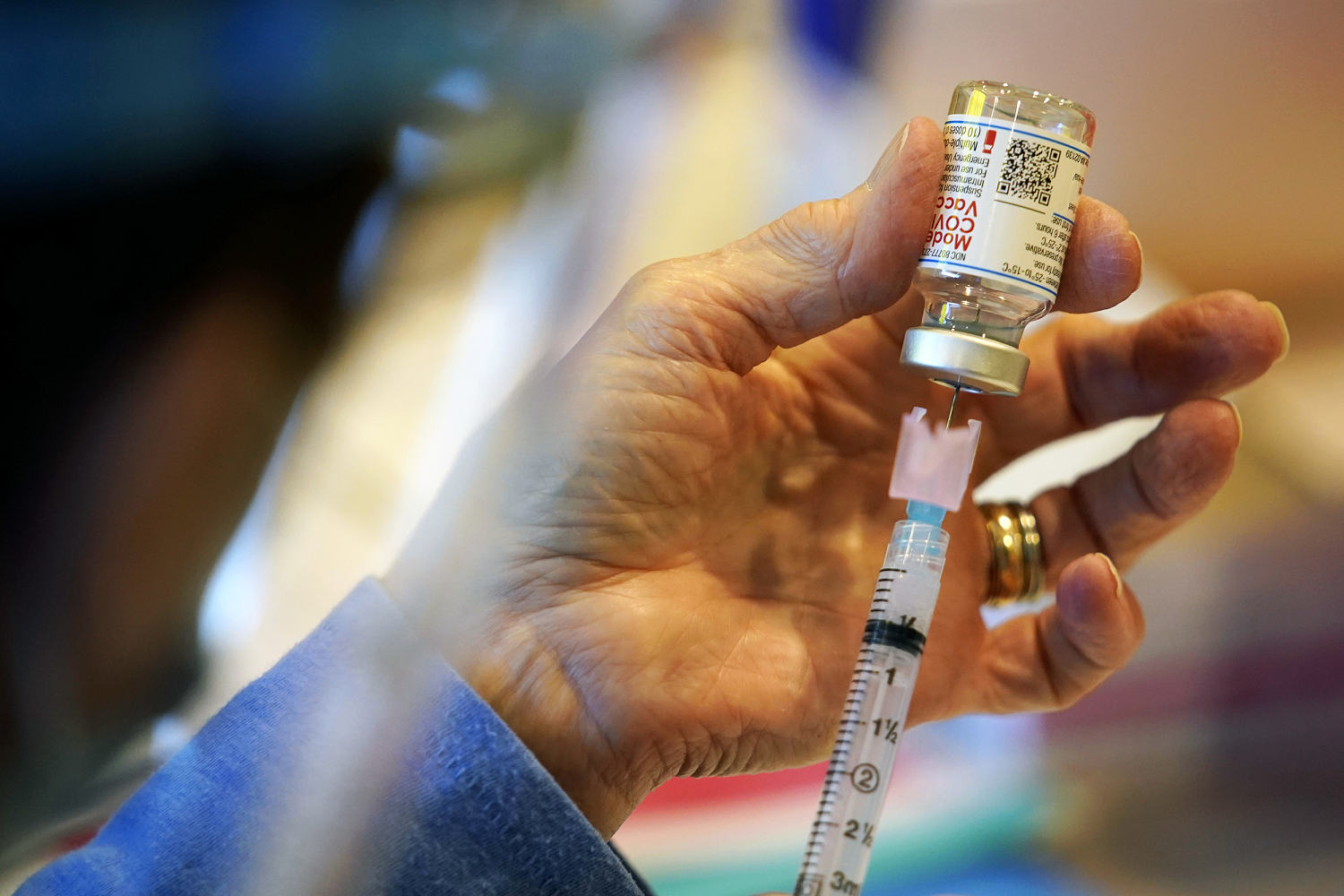
Sarah wakes up at 5:00 AM. Before she even touches her coffee, she reaches for a small, amber-colored vial. It’s not a prescription from a doctor, nor is it a simple multivitamin from a grocery store shelf. Inside is a sequence of amino acids—a peptide—designed to signal her body to repair its own connective tissue.
For Sarah, a forty-two-year-old marathon runner whose knees had begun to whisper of early retirement, this isn't just a supplement. It is a lifeline. It represents a shift in how we perceive the human machine. We are moving away from the era of "fixing what is broken" and into the era of "optimizing what remains." If you found value in this piece, you should check out: this related article.
But there is a problem. Sarah’s lifeline exists in a legal gray zone that is currently the site of a high-stakes tug-of-war between the supplement industry and the Food and Drug Administration (FDA). The outcome of this battle will determine whether you can buy these tools as easily as a bottle of Vitamin C or if they will be locked behind a pharmaceutical paywall, accessible only to those with a specific diagnosis and a deep wallet.
The tension is quiet, bureaucratic, and utterly vital. It’s a fight over what we call a "supplement" and what we call a "drug." For another perspective on this development, see the latest update from CDC.
The Peptides in the Room
To understand the conflict, we have to look at the molecules themselves. Peptides are short chains of amino acids, the building blocks of proteins. They are the body’s signaling molecules. Think of them as the postal service of your biology, carrying messages that tell cells to burn fat, build muscle, or dampen inflammation.
The industry sees these as natural extensions of nutrition. If a protein powder is a massive, complex jigsaw puzzle, a peptide is just two or three pieces snapped together. They argue that because these substances often occur naturally in the body or in food, they should fall under the Dietary Supplement Health and Education Act of 1994 (DSHEA).
The FDA, however, is looking at the same molecules and seeing something different. They see highly potent, targeted compounds that behave more like medicine than food. In their view, once you start "signaling" the body to change its fundamental behavior, you’ve crossed the line into drug territory.
Last year, the FDA dealt a massive blow to the longevity community by reclassifying several popular peptides as "Category 2" substances. This effectively pulled them off the shelves of compounding pharmacies, leaving users like Sarah in a state of sudden, forced withdrawal from their own wellness routines.
The Cost of Safety
Consider James. James is sixty-five and deals with chronic gut issues that traditional medicine has failed to solve for a decade. He found relief through a peptide called BPC-157. It’s a sequence of fifteen amino acids derived from human gastric juice. To James, it’s a miracle. To the regulator, it’s an unapproved new drug with "safety concerns."
This is the central paradox of the American health system. The FDA's primary mandate is safety. They point to the "Wild West" nature of the supplement market, where labels don't always match the contents and long-term side effects of these potent signals are not yet fully documented in massive, double-blind clinical trials.
The agency’s caution is born from history. They remember the tragedies of the past where unregulated "tonics" caused organ failure or death. They want data. They want rigor. They want the billion-dollar gauntlet of drug approval to be run before a substance reaches the public.
But the industry argues that this "safety first" approach is actually a "monopoly first" strategy.
A traditional drug trial costs hundreds of millions of dollars. A supplement company cannot afford that because you cannot patent a natural peptide. If a company spends $200 million proving a peptide works, their competitor can simply start selling the same molecule the next day. Without the protection of a patent, the incentive to do the massive trials the FDA demands disappears.
The result? The molecule stays "unapproved," and the public is denied access to something that might actually work.
The Backroom Pressure
Right now, lobbyists for the supplement industry are crowding into hearing rooms in Washington. They aren't just asking for permission to sell peptides; they are asking for a fundamental rewrite of the rules. They want a "New Dietary Ingredient" (NDI) pathway that is more flexible.
They are pointing to the "N-acetyl-L-cysteine" (NAC) incident as a blueprint. For years, NAC was a common supplement used for liver health and lung function. Suddenly, the FDA tried to ban it, claiming it had been approved as a drug decades ago and therefore couldn't be a supplement. The public outcry was deafening. Thousands of citizens wrote to the agency. Eventually, the FDA blinked, granting "enforcement discretion" that allowed NAC to stay on shelves.
The peptide manufacturers are hoping for a similar miracle. They are betting that the sheer number of people already using these products will create a political pressure cooker that the FDA cannot ignore.
The Human Element in the Data
What is often lost in the legal jargon of "Substantial Clinical Investigation" and "Pre-market Notification" is the human reality of aging. We are the first generation of humans who can see our own biological decline in real-time through blood tests and wearable tech. We are no longer content to "age gracefully" if that means losing our mobility and mental clarity.
The rise of biohacking is a symptom of a deep-seated distrust in a healthcare system that focuses on managing disease rather than optimizing health. When a person feels their brain fog lift or their joints stop aching because of a specific amino acid chain, no amount of FDA warning letters will convince them they are being "protected."
Instead, they go underground.
When the FDA cracks down on domestic sources, the market doesn't disappear. It just moves to overseas websites and "research chemical" labs. Sarah now buys her peptides from a site that explicitly states they are "not for human consumption." She is injecting substances into her body that have no third-party verification, no quality control, and no legal recourse if something goes wrong.
The FDA’s attempt to ensure safety has, in Sarah’s case, created a much more dangerous environment. She is willing to take the risk because the reward—living a life without pain—is too great to abandon.
The New Definition of Wellness
We are approaching a crossroads. On one side is the traditional model: a doctor-controlled, pharmaceutical-heavy system that moves slowly and costs a fortune. On the other is a decentralized, consumer-driven model where individuals take direct control of their biology using the latest molecular tools.
The supplement makers are essentially asking the government to trust the consumer. They argue that if a substance has a history of safe use and is naturally occurring, the barrier to entry should be low.
But the FDA is worried about the "signal." If we allow companies to sell molecules that tell our DNA to behave differently, are we still talking about "supplements"? Or have we entered a new era of biological programming that requires a much tighter leash?
The Stakes of the Game
Imagine a world where the most effective tools for longevity are only available to the ultra-wealthy who can fly to offshore clinics in Panama or the Caymans. This isn't a hypothetical. It is happening now. The "peptide gap" is widening.
If the FDA continues its hardline stance, peptides will become the "dark matter" of the health world—vast, influential, and completely invisible to the regulatory eye. If they loosen the reins, we might see a renaissance of affordable, accessible health optimization, but we also risk a wave of low-quality, potentially harmful products flooding the market.
There is no easy answer. There is only the tension between the individual’s right to their own biology and the state’s duty to protect the public from harm.
Sarah sits at her kitchen table, the empty vial in front of her. She knows the risks. She knows the law. But she also knows that for the first time in five years, she can run three miles without her knees throbbing. For her, the debate isn't about policy or "Category 2" lists. It's about the ability to move through the world with strength.
The bureaucrats in D.C. can argue over the definitions of food and drugs until the sun goes down. But out here, in the gyms and the living rooms and the quiet morning routines of millions of Americans, the revolution has already begun. The molecules are out of the lab and in the bloodstream.
The gatekeepers are no longer just guarding the gate; they are trying to hold back a tide that has already reached the shore.
The vials remain on the counter, small and amber, reflecting a future that is already here, whether the law is ready for it or not.